ENG
The assumption of the project is to interfere with the concreteosis that grows large in large cities. The aim is to bring urban society closer to nature and to provide as many plants as possible in the urban space. The problem of treating greenery as blemishes is common in urban architecture, while the hustle and bustle of the city, the increase in pollution and smog increase the desire to contact nature, which has a positive effect on health and well-being.
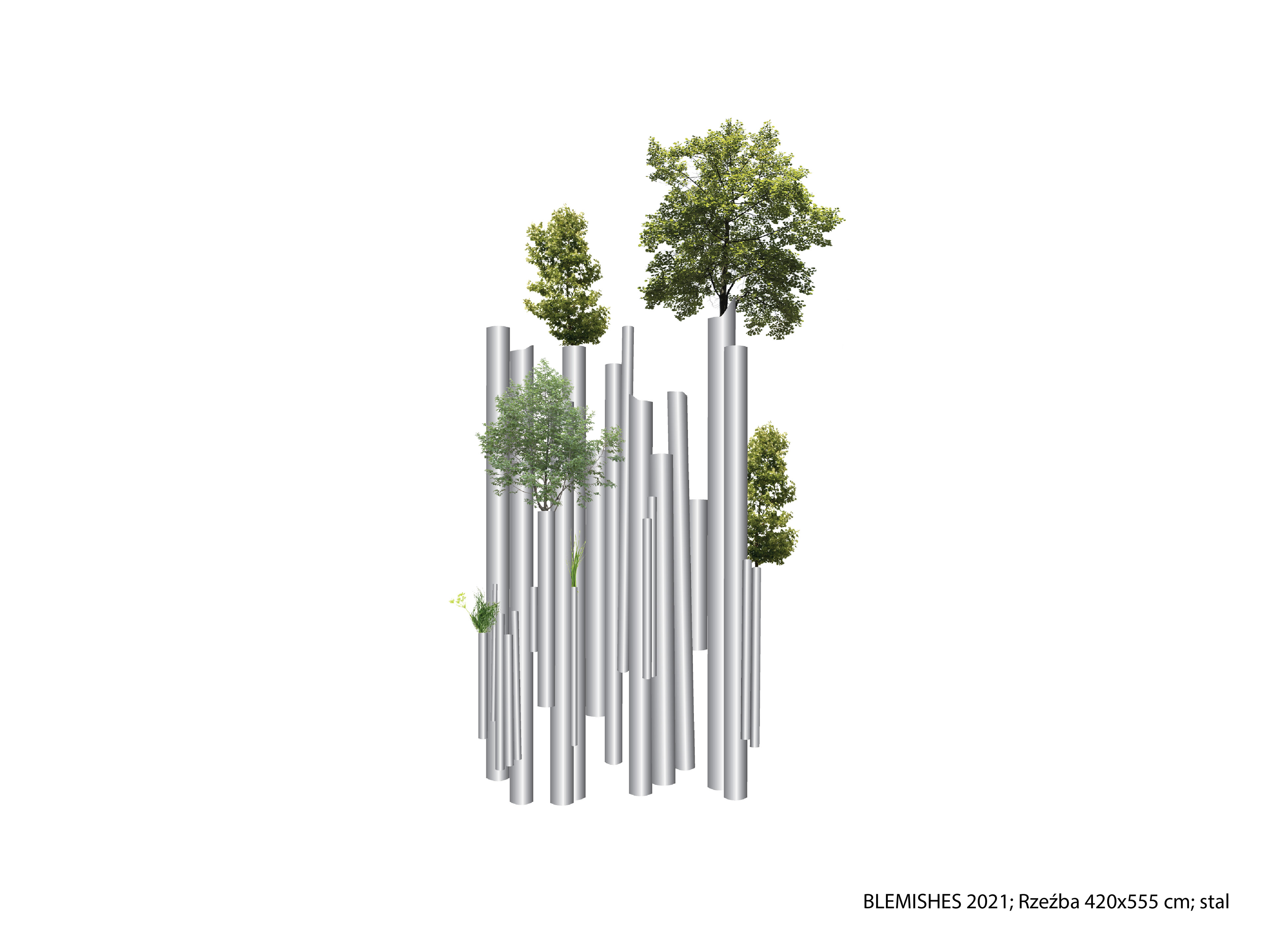
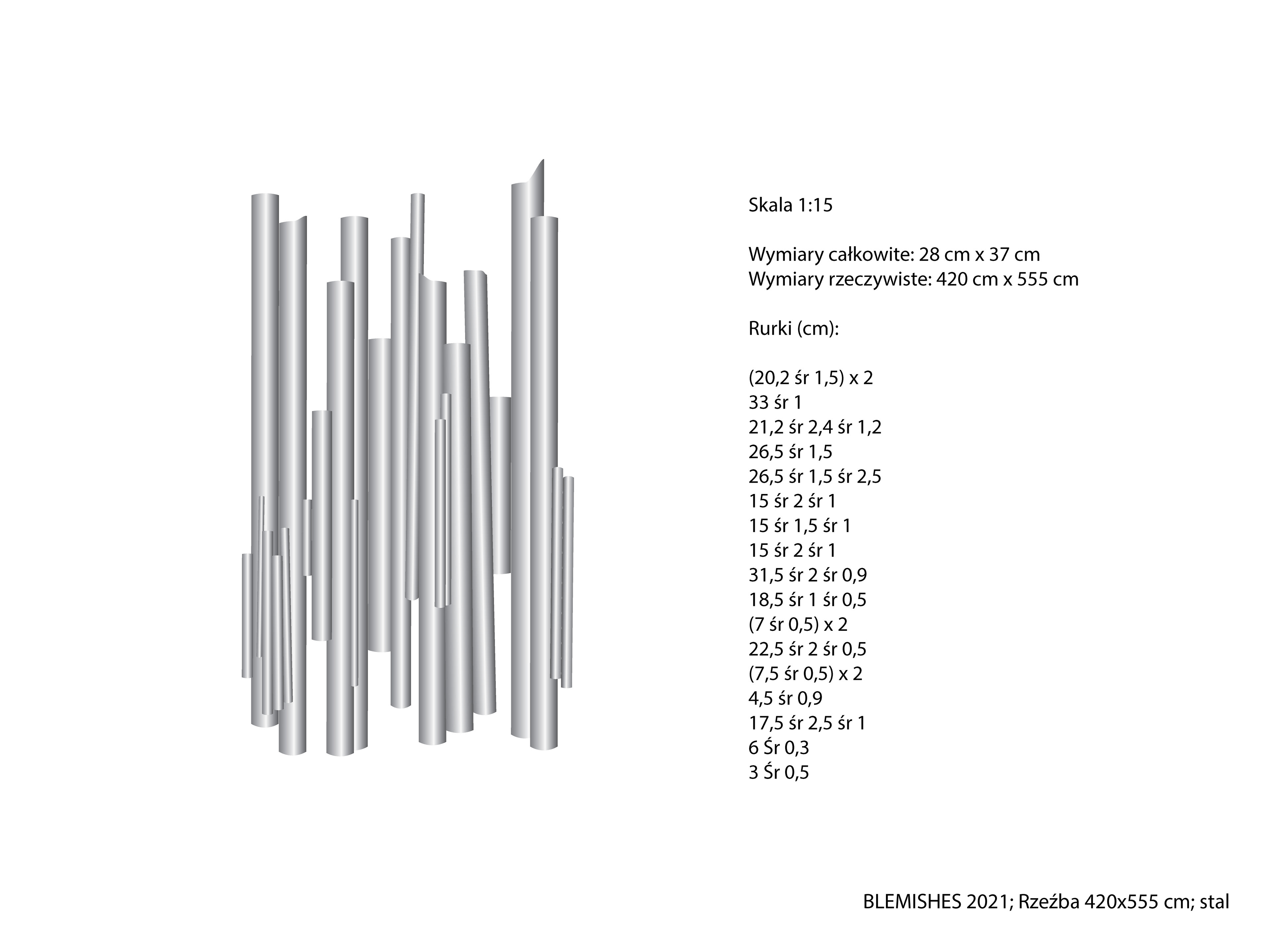
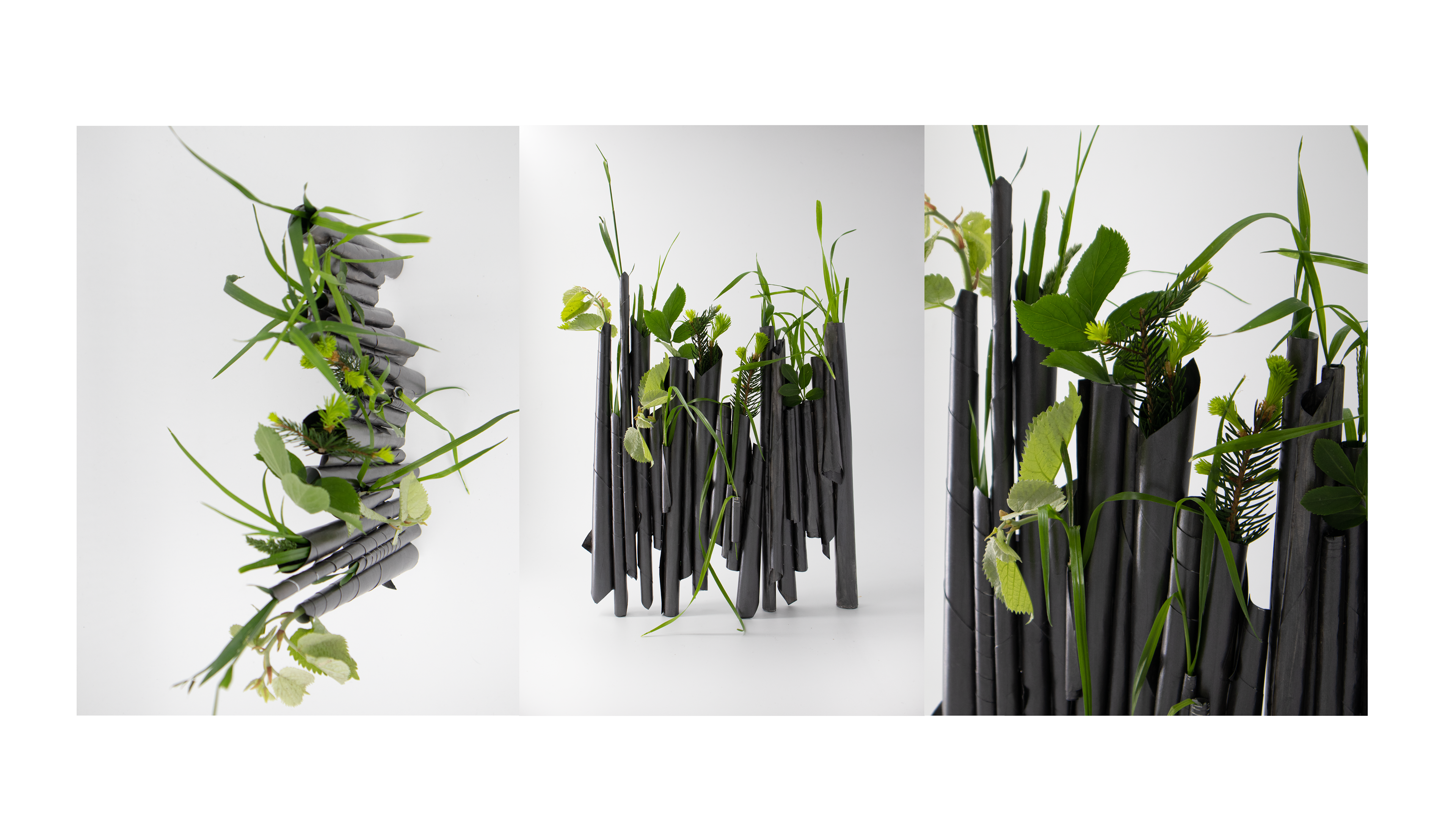
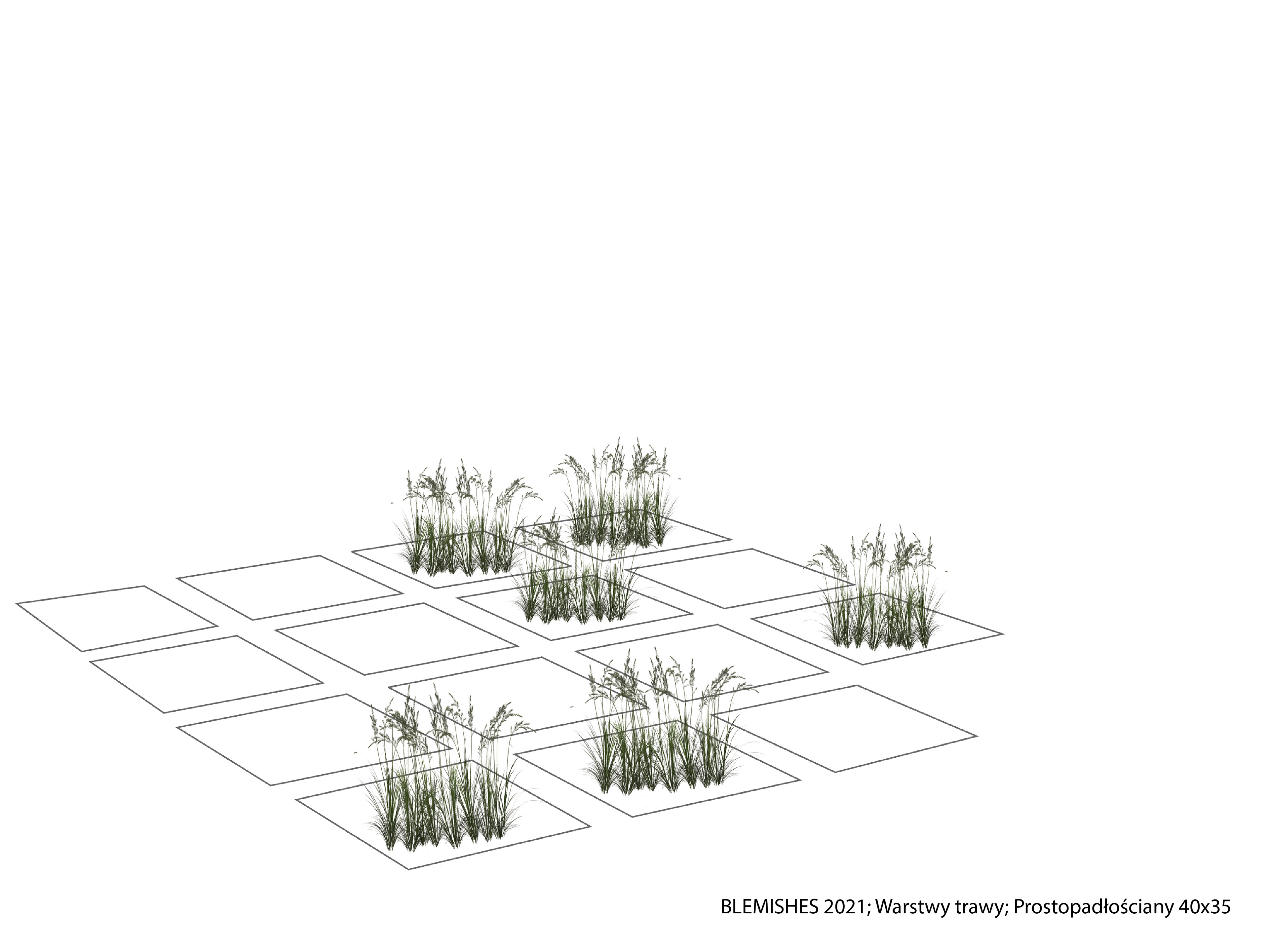
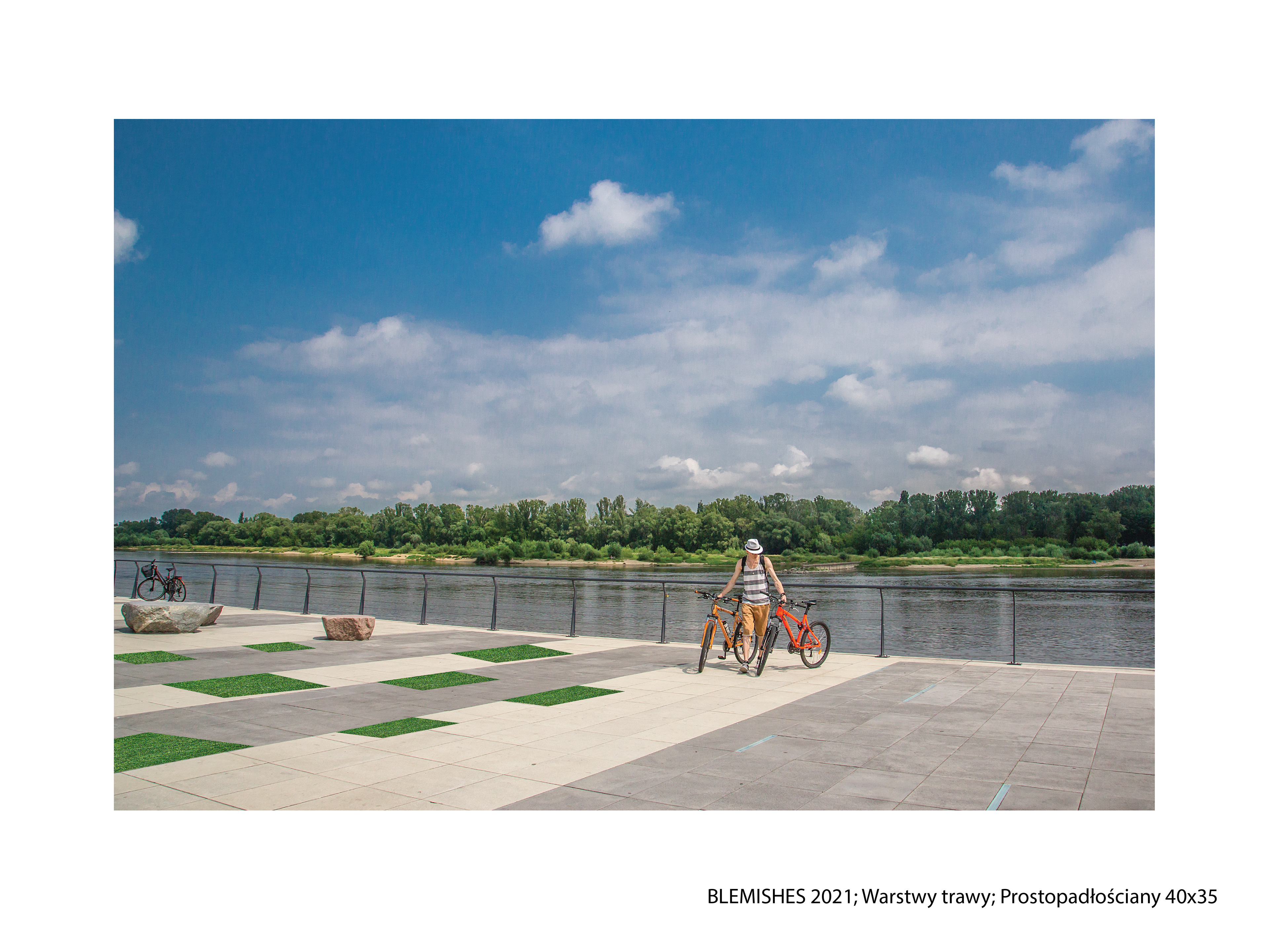
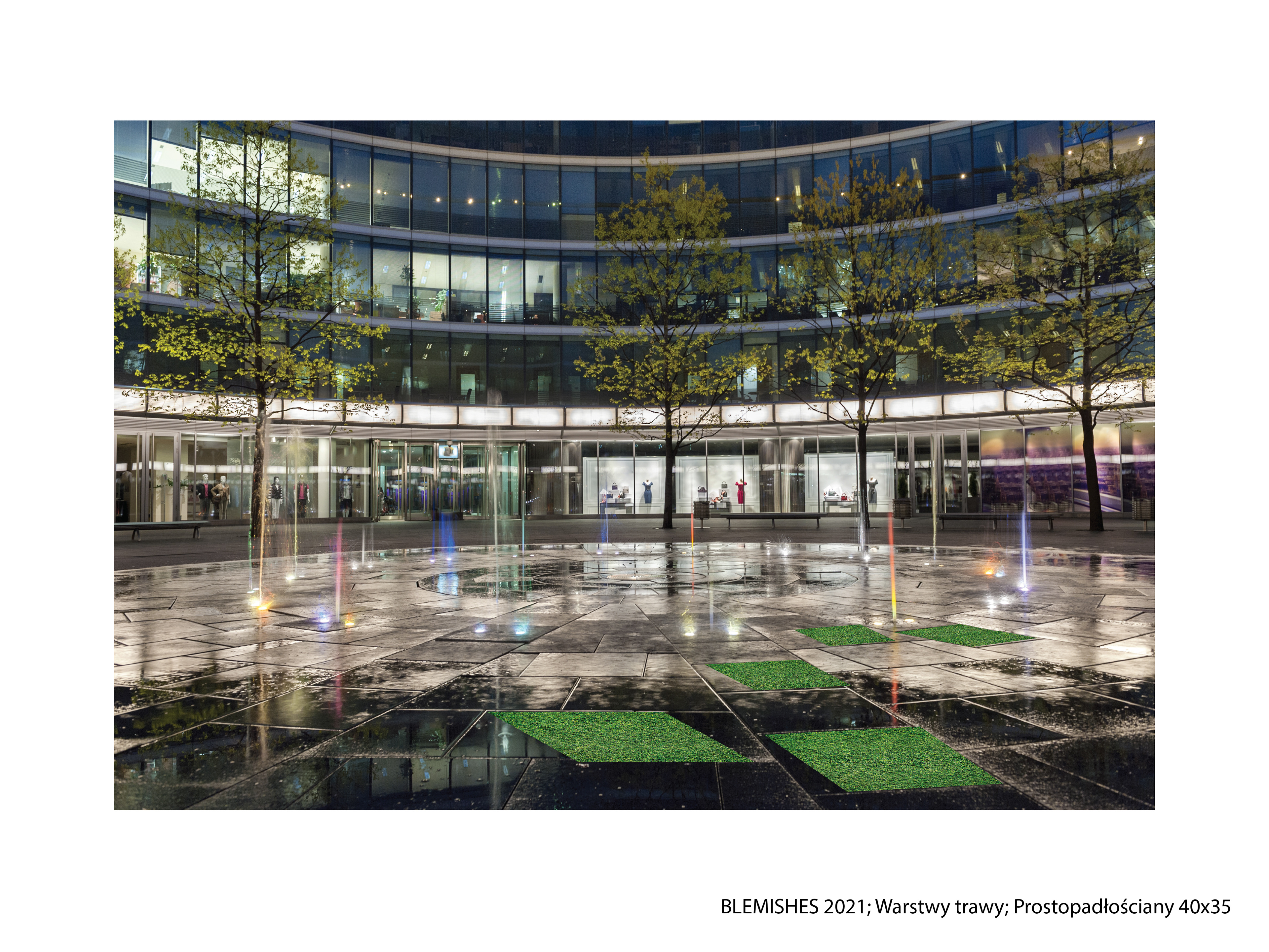
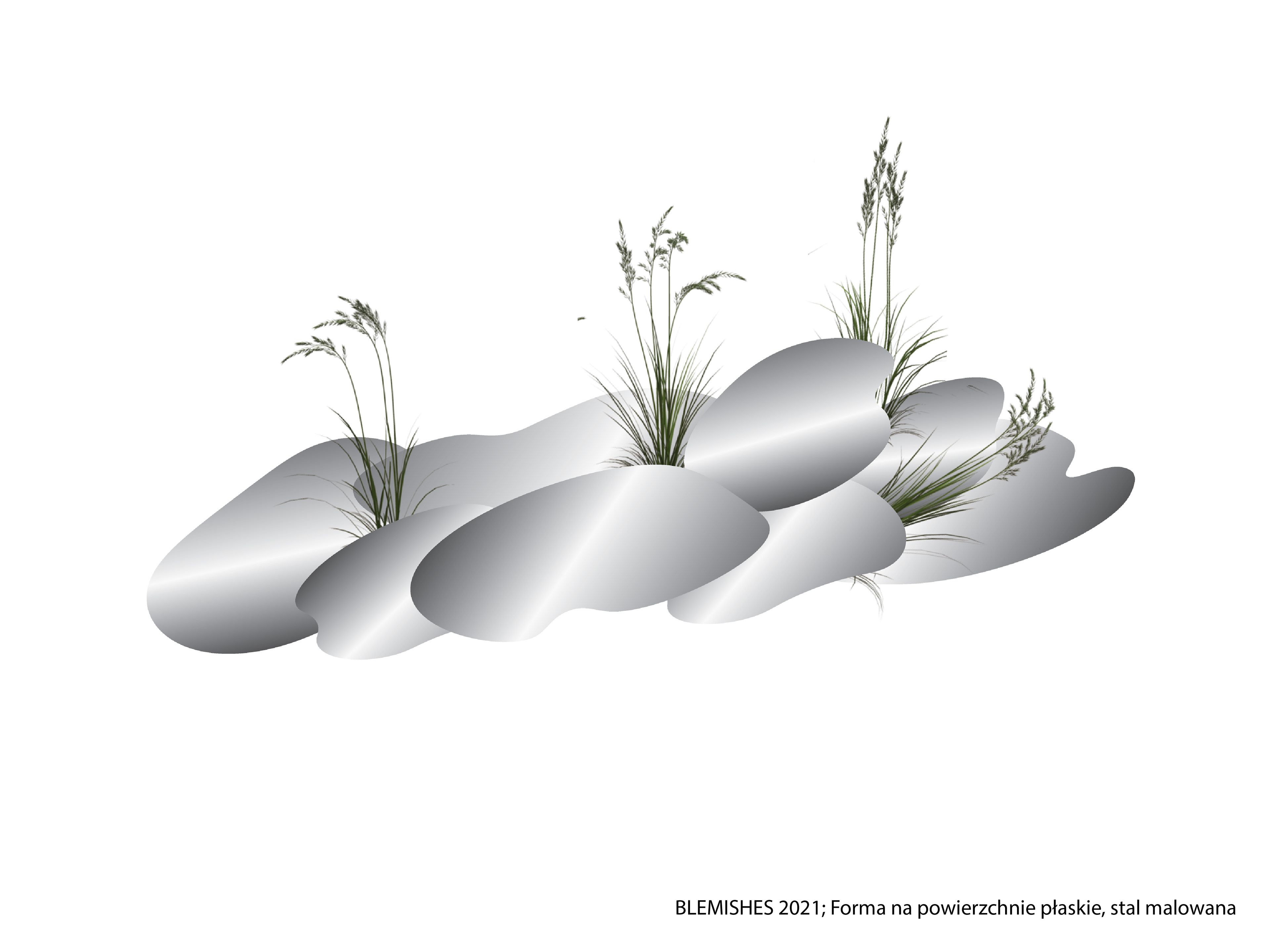
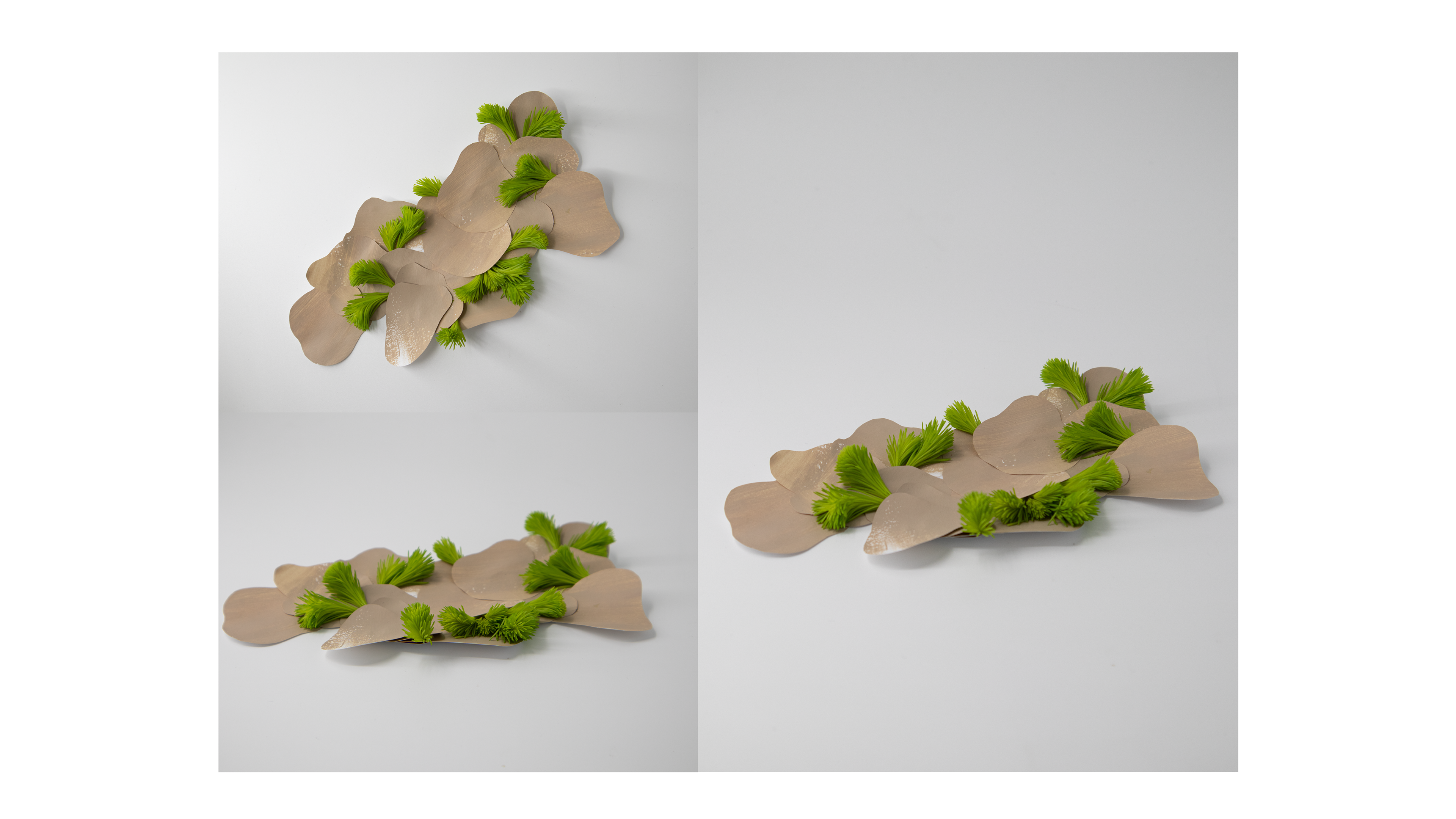
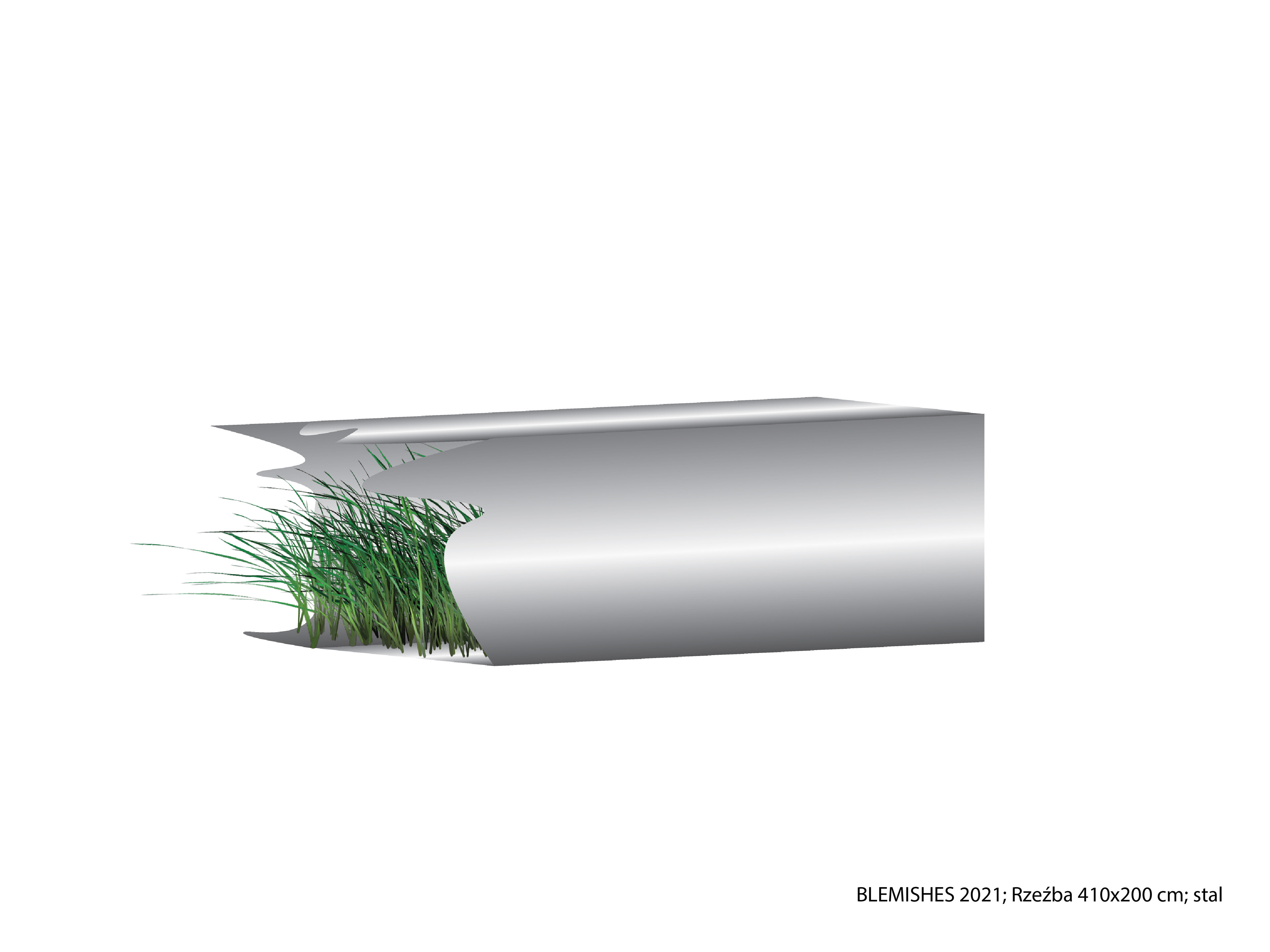
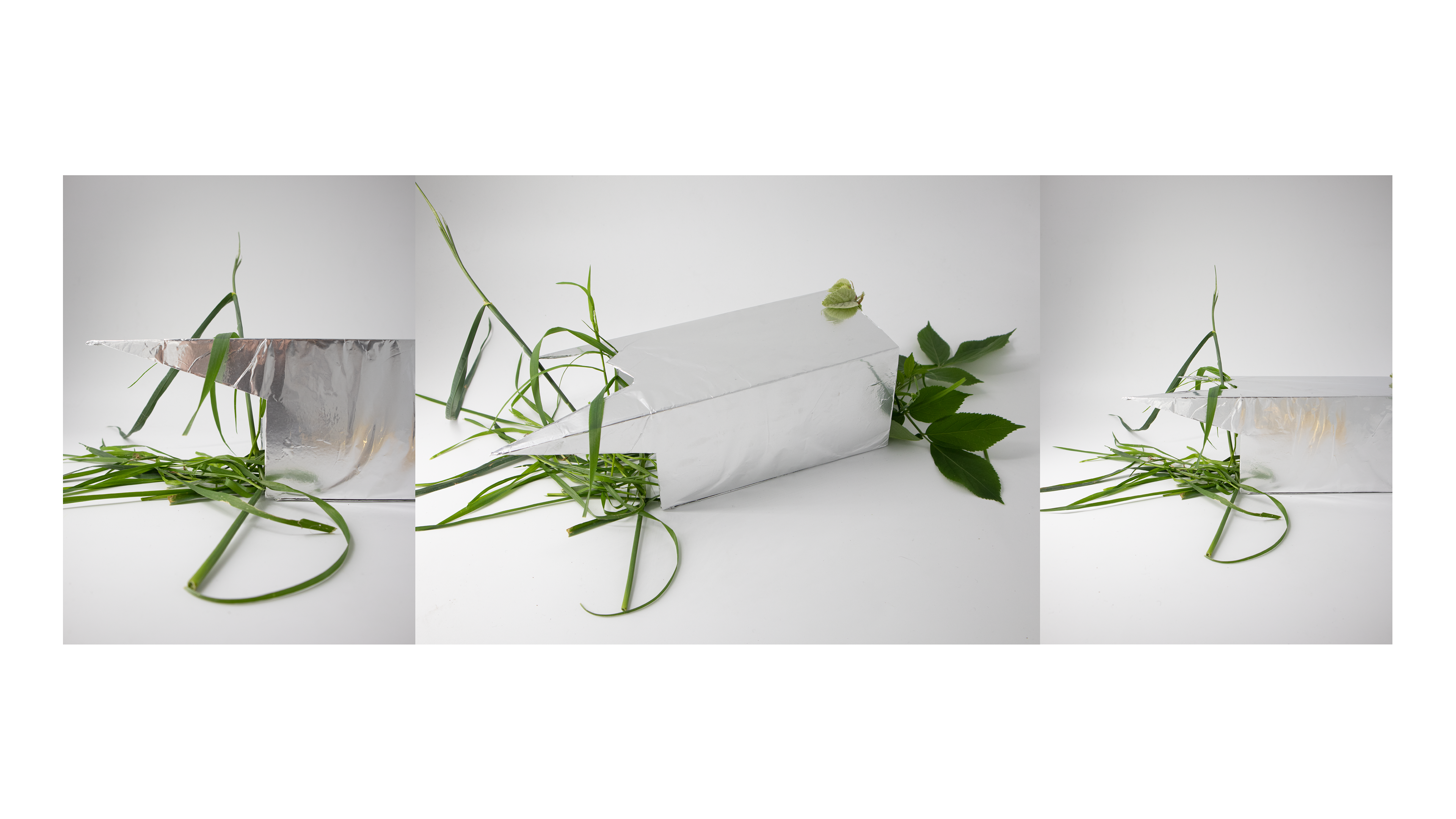
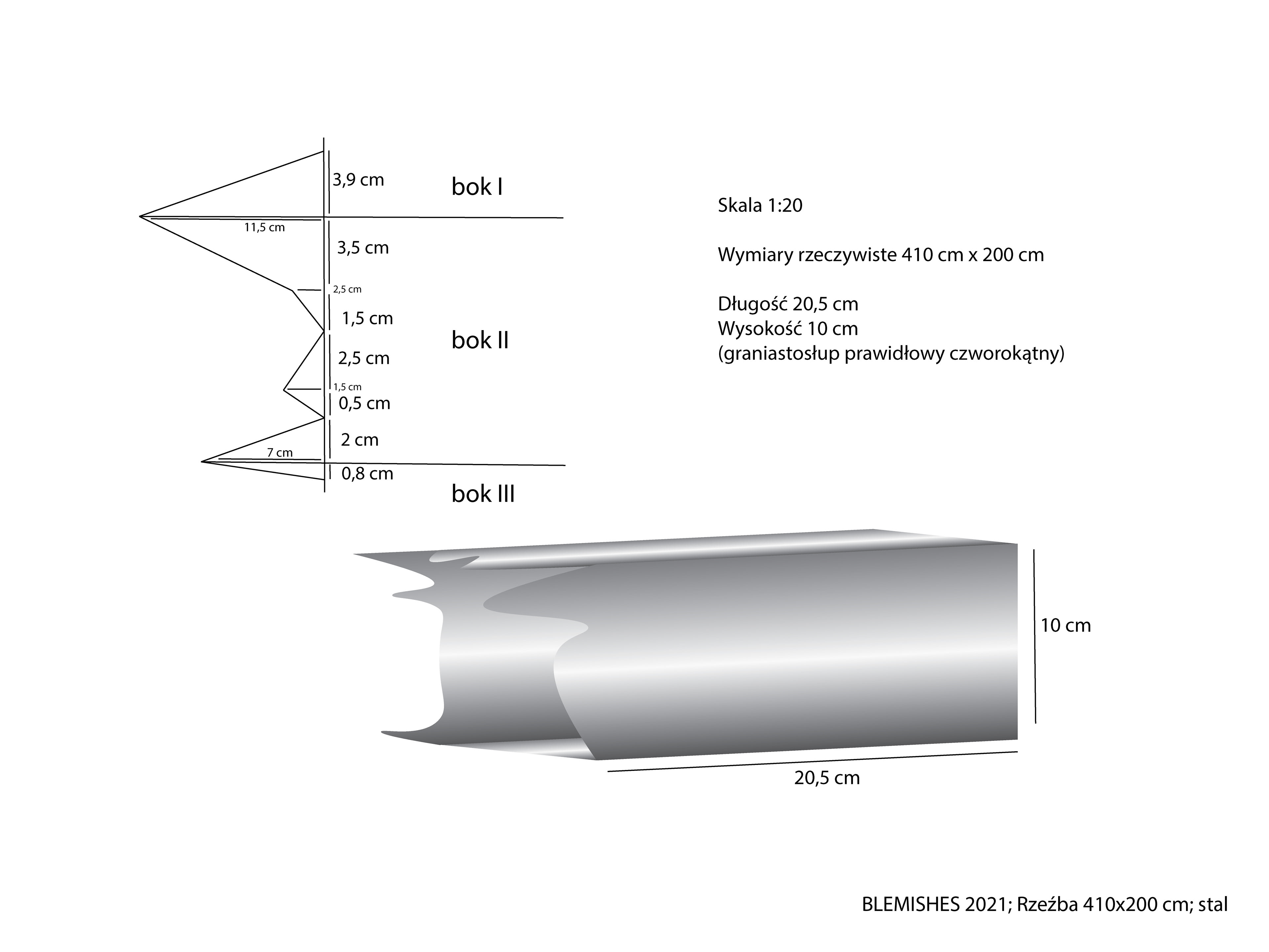
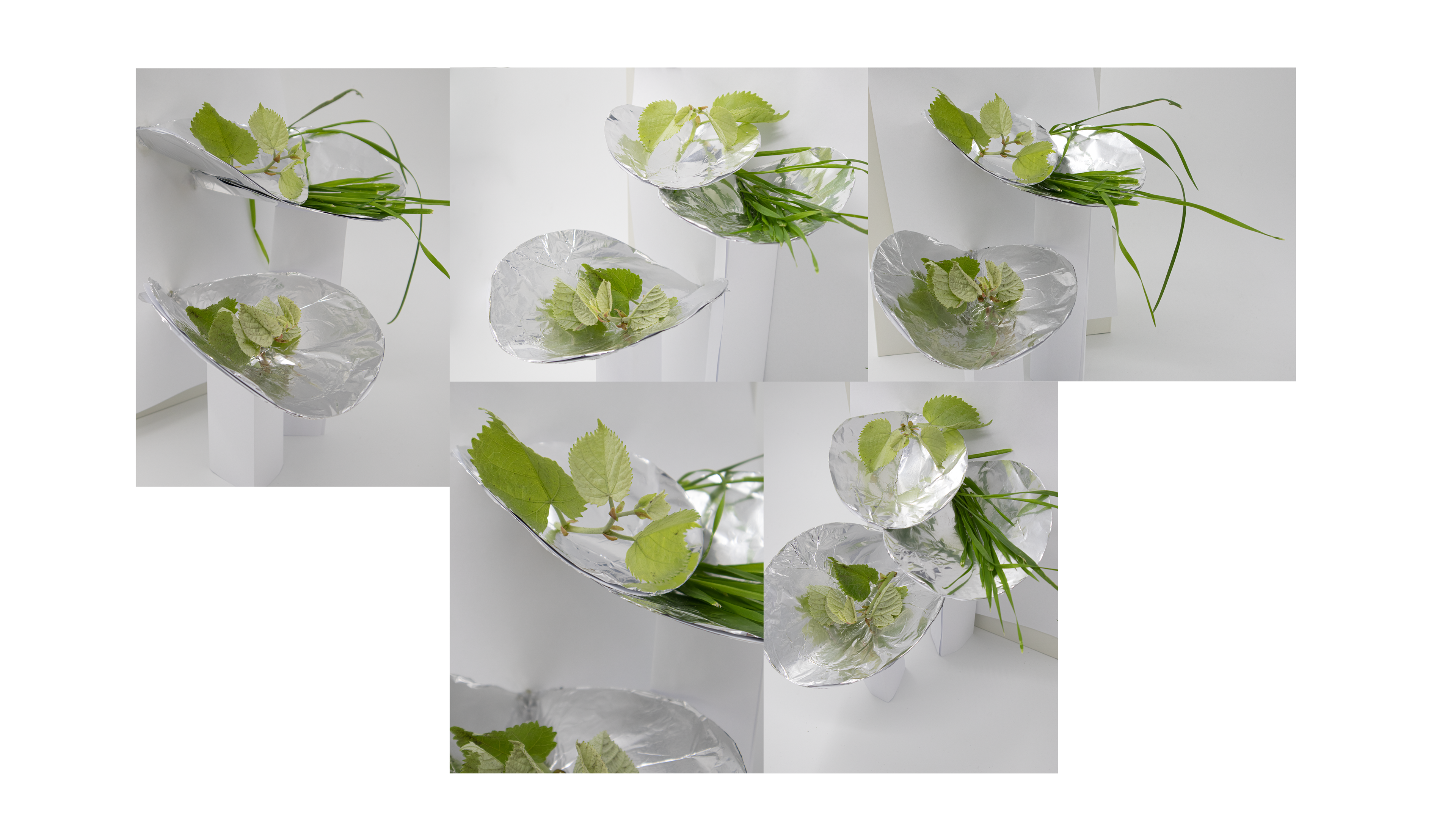
Prepared projects of interactive sculptures become places of plant cultivation in concreted areas, which allows citizens to participate in hortiotherapy in large cities and has a positive effect on the health of residents, while corresponding in form to the surrounding concrete and glass architecture. Objects made of steel in a brutalistic-organic form are a place for sowing plants. The sculptures define the plants' access to light. Through their shape, they control the direction of their growth. The function of steel, which is to reflect light, draws attention to the object and equates it with the surrounding architecture. Sublime forms correspond with the space of large office buildings, while allowing for the sowing of a large number of plants. Pot forms with an easy-to-install hook or beam will be found in the spaces of balconies and building walls. The plaster forms placed on concrete squares are a flat form of a pot, intended for growing plants on a pavement, roof or other flat surface. Another proposal is the layers of grass spread out in places intended for moving around.
The project uses the phytoremediation properties of plants. Plants have the ability to simultaneously take up many different pollutants, metals and organic compounds from the ground, as well as uptake air in addition to polluting gases, as well as from suspended dust. Typically, current industrial technologies, unfortunately, naturalize only one group of pollutants. Plants absorb substances, build them into their tissues or turn them into compounds that are harmless to health. And the microorganisms found in the substrate, along with the plant root system, are able to largely neutralize harmful substances.
Prepared projects of interactive sculptures become places of plant cultivation in concreted areas, which allows citizens to participate in hortiotherapy in large cities and has a positive effect on the health of residents, while corresponding in form to the surrounding concrete and glass architecture. Objects made of steel in a brutalistic-organic form are a place for sowing plants. The sculptures define the plants' access to light. Through their shape, they control the direction of their growth. The function of steel, which is to reflect light, draws attention to the object and equates it with the surrounding architecture. Sublime forms correspond with the space of large office buildings, while allowing for the sowing of a large number of plants. Pot forms with an easy-to-install hook or beam will be found in the spaces of balconies and building walls. The plaster forms placed on concrete squares are a flat form of a pot, intended for growing plants on a pavement, roof or other flat surface. Another proposal is the layers of grass spread out in places intended for moving around.
The project uses the phytoremediation properties of plants. Plants have the ability to simultaneously take up many different pollutants, metals and organic compounds from the ground, as well as uptake air in addition to polluting gases, as well as from suspended dust. Typically, current industrial technologies, unfortunately, naturalize only one group of pollutants. Plants absorb substances, build them into their tissues or turn them into compounds that are harmless to health. And the microorganisms found in the substrate, along with the plant root system, are able to largely neutralize harmful substances.
Drawing Studio dr Anna Panek, Academy of Fine Arts in Warsaw
PL
Założeniem projektu jest ingerencja w obrastającą duże miasta betonozę. Celem jest przybliżenie społeczeństwa miejskiego do natury i zapewnienie jak największej ilości roślin w przestrzeni miejskiej. Problem traktowania zieleni jak skazy jest powszechny w architekturze miejskiej, zaś zgiełk miasta, wzrost zanieczyszczeń oraz smog, wzmagają chęć kontaktu z przyrodą, która wpływa pozytywnie na zdrowie i samopoczucie.
Przygotowane projekty rzeźb interaktywnych stają się miejscem uprawy roślin w obszarach zabetonowanych, co pozwala obywatelom uczestniczyć w hortiterapii w dużych miastach oraz wpływa korzystnie na zdrowie mieszkańców, równocześnie korespondując formą z otaczającą je betonowo-szklaną architekturą. Obiekty wykonane ze stali o formie brutalistyczno-organicznej są miejscem przeznaczonym do wysiewu roślin. Rzeźby określają dostęp roślin do światła. Poprzez swój kształt kontrolują kierunek ich rozrostu. Funkcja stali, jaką jest odbijanie światła, zwraca uwagę na obiekt i równa go z okoliczną architekturą. Wzniosłe formy korespondują z przestrzenią wielkich biurowców, jednocześnie pozwalając na wysiew dużej ilości roślin. Formy doniczkowe z łatwym w montażu hakiem lub belką odnajdą się w przestrzeniach balkonów, jak i ścian budynków. Formy plastrów umieszczone na wybetonowanych placach są płaską formą donicy, przeznaczoną do hodowli roślin na chodniku, dachu, lub innej płaskiej powierzchni. Kolejną propozycją są warstwy trawy rozłożone w miejscach przeznaczonych do poruszania się.
Projekt wykorzystuje właściwości fitoremediacji, jakie posiadają rośliny. Rośliny mają zdolność do jednoczesnego pobierania wielu różnych zanieczyszczeń, metali i związków organicznych z podłoża, a także poboru powietrza obok zanieczyszczających gazów, jak i z pyłów zawieszonych. Zazwyczaj aktualne technologie przemysłowe naturalizują niestety tylko jedną grupę zanieczyszczeń. Rośliny pobierające substancje, wbudowują je w swoje tkanki lub zamieniają w związki nieszkodliwe dla zdrowia. Zaś znajdujące się w podłożu mikroorganizmy wraz z systemem korzeniowym roślin są w stanie w znacznym stopniu neutralizować szkodliwe substancje.
Pracownia rysunku dr Anna Panek, ASP w Warszawie