Rebuilding how movement is accessed, booked, and experienced - across fragmented systems.

Building together with Daniel Osinski and worldwide 3+ team of Testers, BE & FE Developers.
Industry: Wellness / Fitness / SaaS / Marketplace
Stage: MVP → early traction
Markets: Poland, Norway, Thailand
Industry: Wellness / Fitness / SaaS / Marketplace
Stage: MVP → early traction
Markets: Poland, Norway, Thailand
What existed before:
Fragmented booking systems
Manual operations inside small studios
No unified discovery layer for users
Power imbalance: small studios vs big fitness chains
Fragmented booking systems
Manual operations inside small studios
No unified discovery layer for users
Power imbalance: small studios vs big fitness chains
The Problem
B2B (Studios)
Manual scheduling + payments
No scalable infrastructure
Poor customer experience
Low perceived professionalism
No scalable infrastructure
Poor customer experience
Low perceived professionalism
B2C (Users)
No centralized discovery
Friction in booking
No trust layer across studios
Time wasted across platforms
Friction in booking
No trust layer across studios
Time wasted across platforms

Research
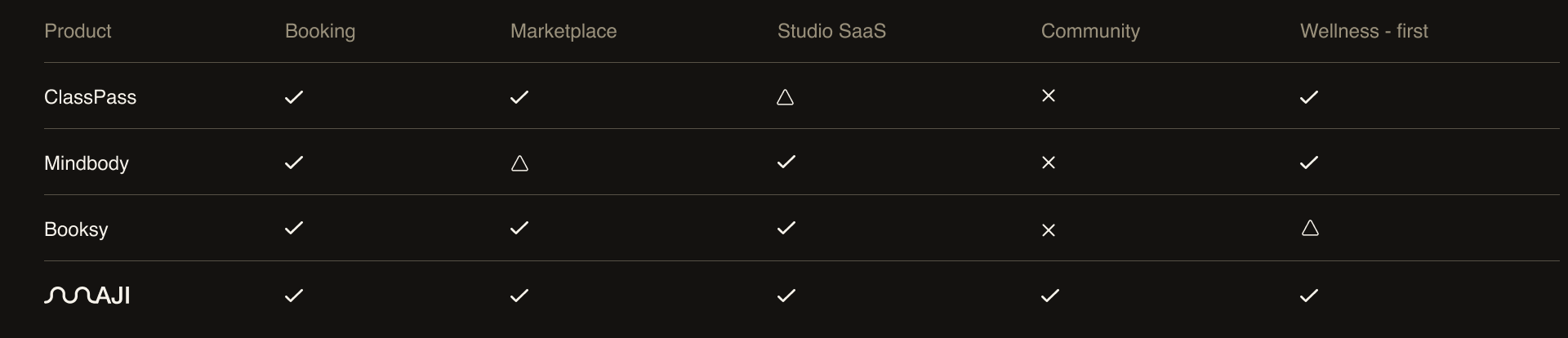
Existing products optimize transactions. MAJI aims to optimize routines.
*
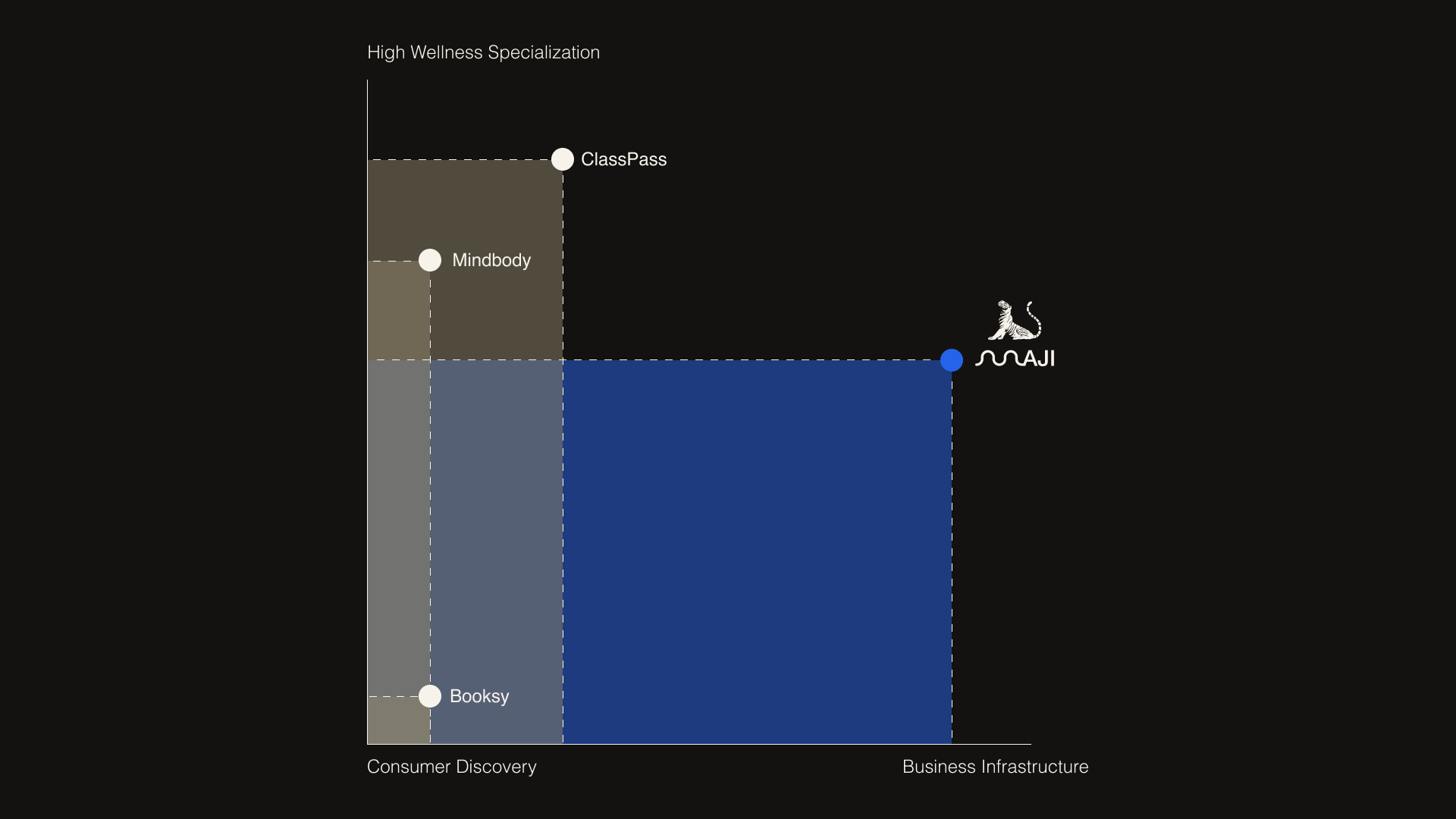
X: Consumer experience → Business operations
Y: Specialized wellness → Broad marketplace ecosystem
X: Consumer experience → Business operations
Y: Specialized wellness → Broad marketplace ecosystem
ClassPass - Marketplace-first.
Strengths: massive partner network, subscription model, strong discovery
Weaknesses: optimized for credits, transactional behavior, studios can become dependent on platform economics
Strengths: massive partner network, subscription model, strong discovery
Weaknesses: optimized for credits, transactional behavior, studios can become dependent on platform economics
Opportunity for MAJI: Build relationships instead of credit consumption.
ClassPass became one of the dominant players in fitness marketplace infrastructure and later merged with Mindbody.
Mindbody - SaaS-first.
Strengths: scheduling, payments, management, enterprise tooling
Weaknesses: operational complexity, heavy interfaces, fragmented consumer experience
ClassPass became one of the dominant players in fitness marketplace infrastructure and later merged with Mindbody.
Mindbody - SaaS-first.
Strengths: scheduling, payments, management, enterprise tooling
Weaknesses: operational complexity, heavy interfaces, fragmented consumer experience
Opportunity for MAJI: Design a calmer interaction model. Mindbody grew into a large wellness SaaS ecosystem and later acquired ClassPass.
Booksy - Service-booking infrastructure.
Strengths: appointment simplicity, large user base, localized growth
Weaknesses: beauty-first DNA, transactional interactions, limited wellness ecosystem thinking
Strengths: appointment simplicity, large user base, localized growth
Weaknesses: beauty-first DNA, transactional interactions, limited wellness ecosystem thinking
Booksy now serves tens of millions of consumers globally.
Existing products optimize transactions. MAJI aims to optimize routines.
Opportunity
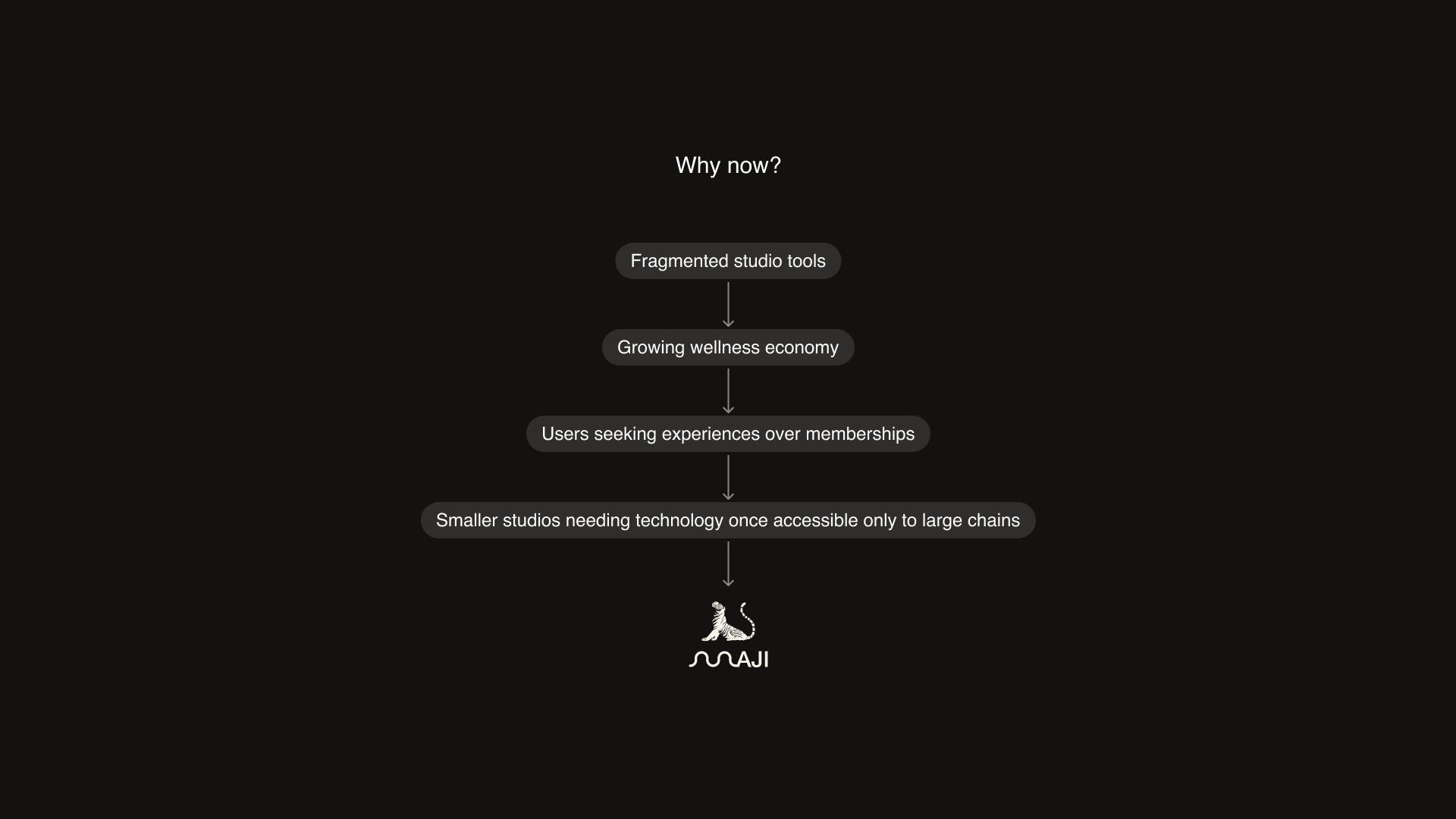
What if small studios could operate like global players without becoming corporations?
SaaS as equalizer
Marketplace as distribution engine
UX as trust-builder
Marketplace as distribution engine
UX as trust-builder
The Idea
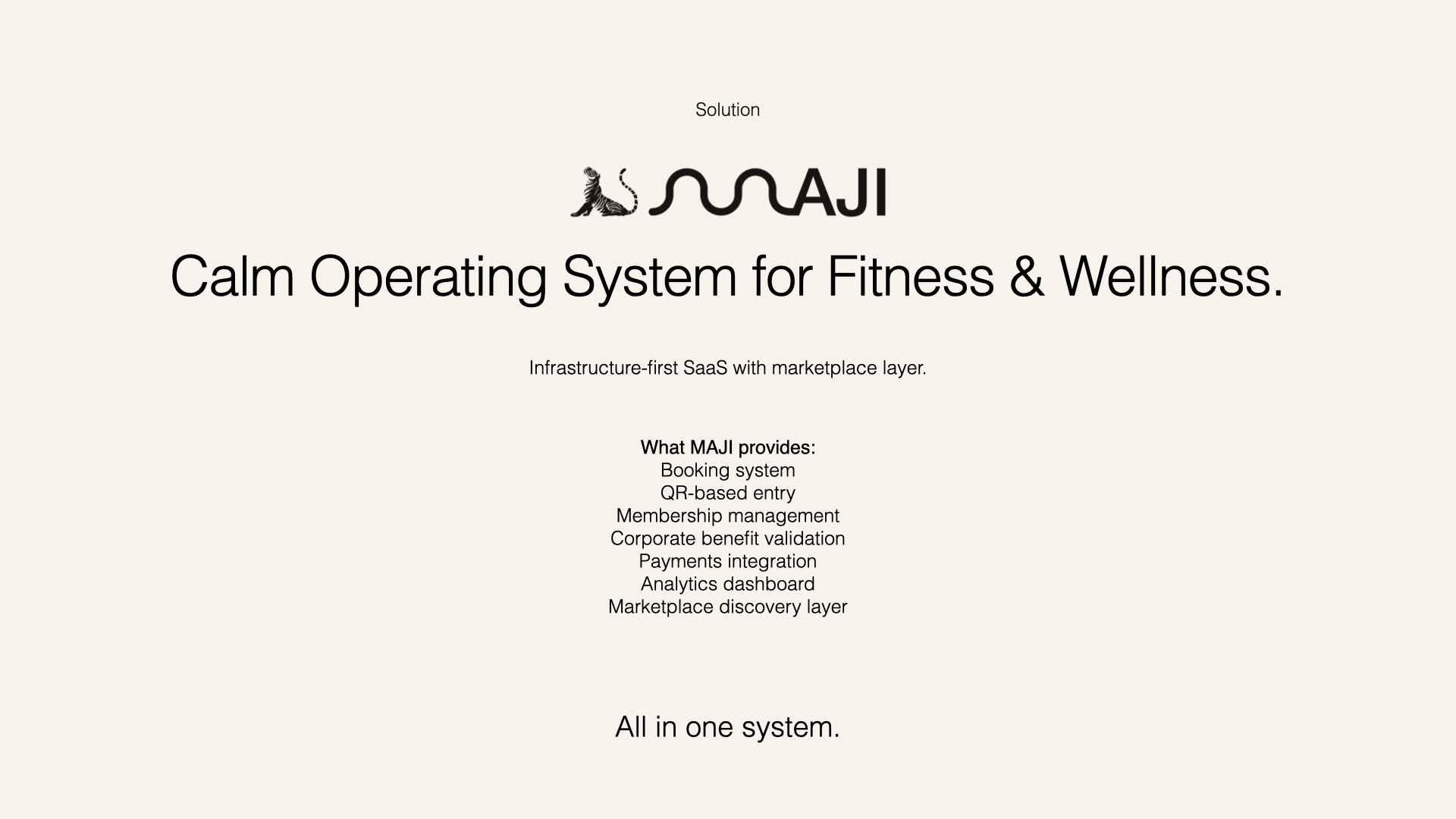
MAJI = SaaS backbone + marketplace layer
Studios manage everything in one system
Users discover, book, and access effortlessly
One interface → multiple experiences
Core shift: From “booking tool” to “infrastructure for movement”
Studios manage everything in one system
Users discover, book, and access effortlessly
One interface → multiple experiences
Core shift: From “booking tool” to “infrastructure for movement”
Insight
Wellness is growing globally, but its infrastructure is still local,
fragmented, and inefficient. The fitness and wellness market
has entered a phase of saturation and fatigue. Booking apps
for classes, memberships, training sessions and wellness
services have become overloaded with features, aggressive
sales mechanics and “productivity tech” aesthetics.
Instead of flow, users feel pressure.
At the same time, we see a clear cultural shift: nostalgia
as a trust-building tool (a return to 60s-90s aesthetics, sports
archives, analog wellness), slow tech & calm UX - technology
designed to fade into the background instead of demanding
attention, a holistic approach to the body- movement,
recovery and wellbeing treated as one ecosystem, not
separate products. MAJI exists exactly at this intersection.
fragmented, and inefficient. The fitness and wellness market
has entered a phase of saturation and fatigue. Booking apps
for classes, memberships, training sessions and wellness
services have become overloaded with features, aggressive
sales mechanics and “productivity tech” aesthetics.
Instead of flow, users feel pressure.
At the same time, we see a clear cultural shift: nostalgia
as a trust-building tool (a return to 60s-90s aesthetics, sports
archives, analog wellness), slow tech & calm UX - technology
designed to fade into the background instead of demanding
attention, a holistic approach to the body- movement,
recovery and wellbeing treated as one ecosystem, not
separate products. MAJI exists exactly at this intersection.
Brand idea
MAJI is “Apple zen” for fitness and wellness. Not the corporate version, but the cool Apple from the Steve Jobs era:
clarity, restraint, silence and courage in reduction. MAJI doesn’t motivate by shouting, but it calms, organizes and allows people to act effortlessly. It’s a booking system that requires no instructions, doesn’t overwhelm with notifications, doesn’t fragment the user experience.
clarity, restraint, silence and courage in reduction. MAJI doesn’t motivate by shouting, but it calms, organizes and allows people to act effortlessly. It’s a booking system that requires no instructions, doesn’t overwhelm with notifications, doesn’t fragment the user experience.
Everything lives in one place. In one rhythm. In one flow
Visual strategy
Sport meets Zen.
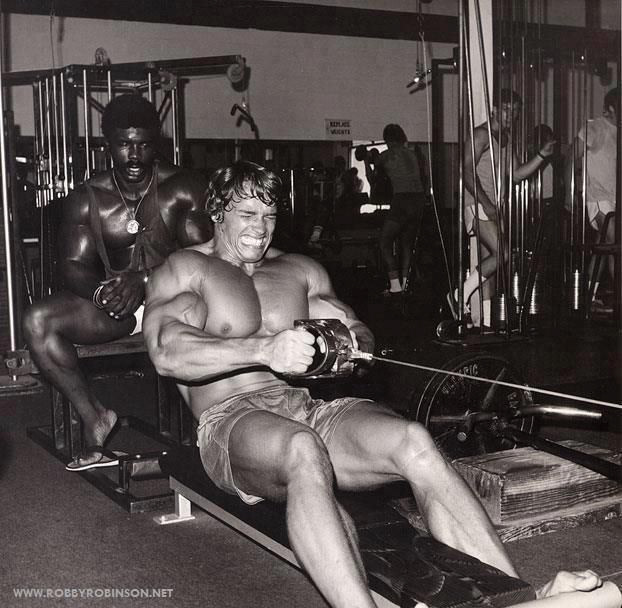
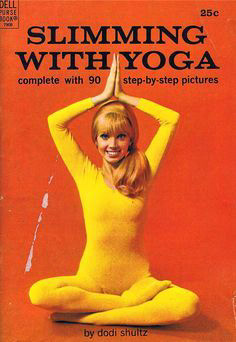
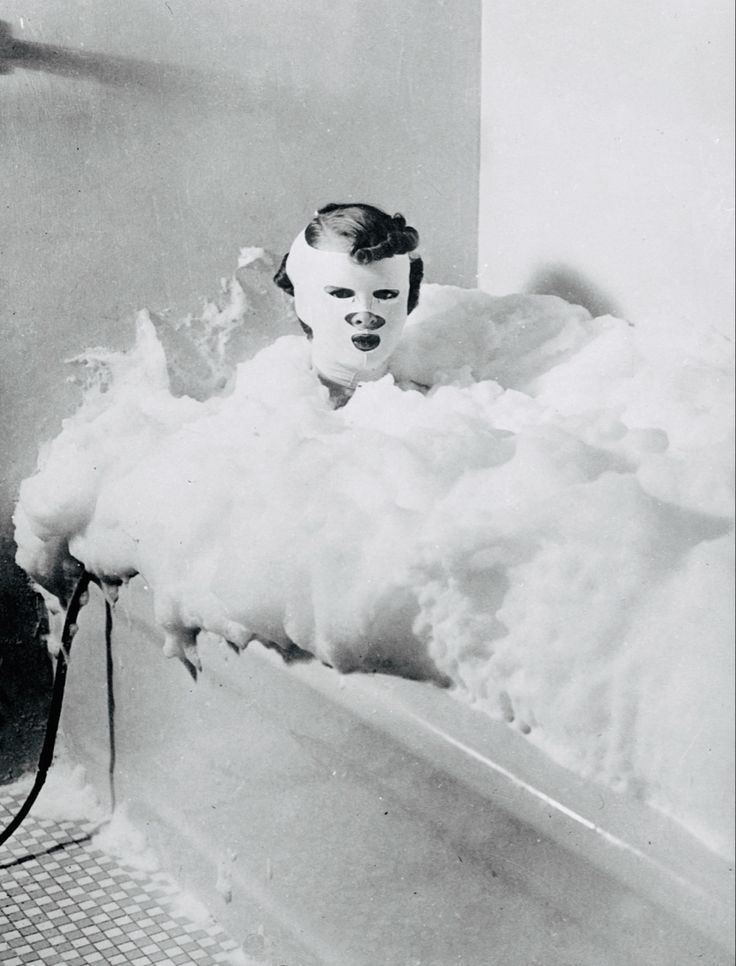
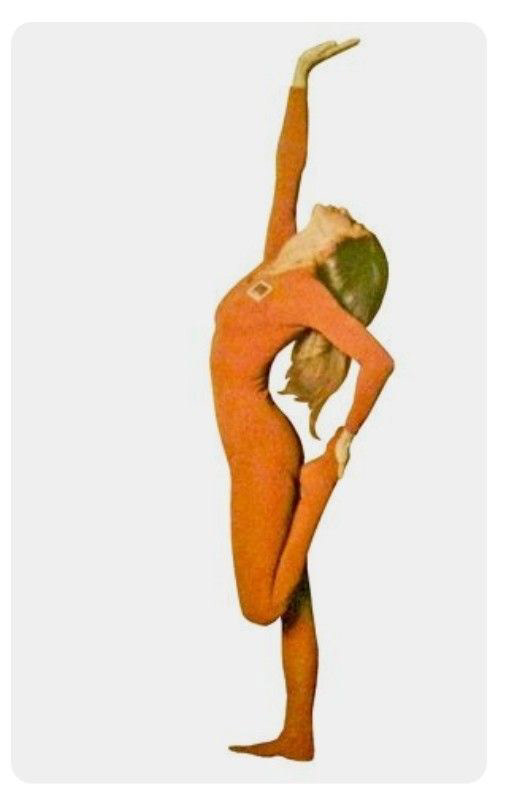
MAJI draws inspiration from the early culture of exercise and wellness: the first yoga books, archival imagery of workouts, saunas, bathhouses and sanatoriums, old-school fitness and bodybuilding aesthetics (Arnold Schwarzenegger as a symbol of discipline and physical awareness), calm, analog embodiment- free from the pressure of “perfect bodies.”
This is not a nostalgic whim. It is a strategic design decision. In a world where every fitness app looks the same, modernity has become generic, “AI-powered” no longer means anything- nostalgia becomes a language of authenticity.
MAJI doesn’t pretend to be the future, but suggests that the future can be calm.





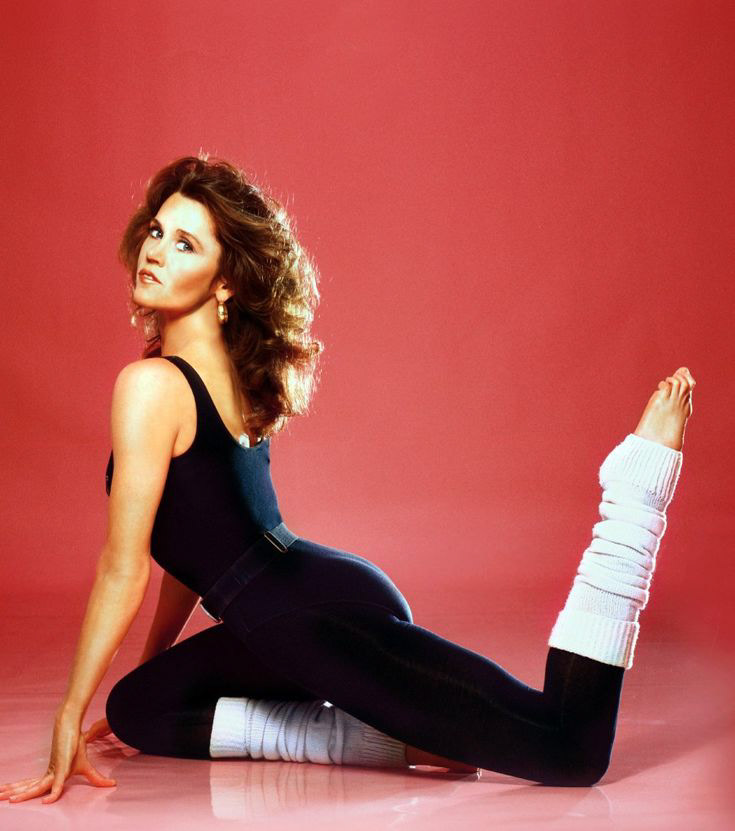


Branding & symbols
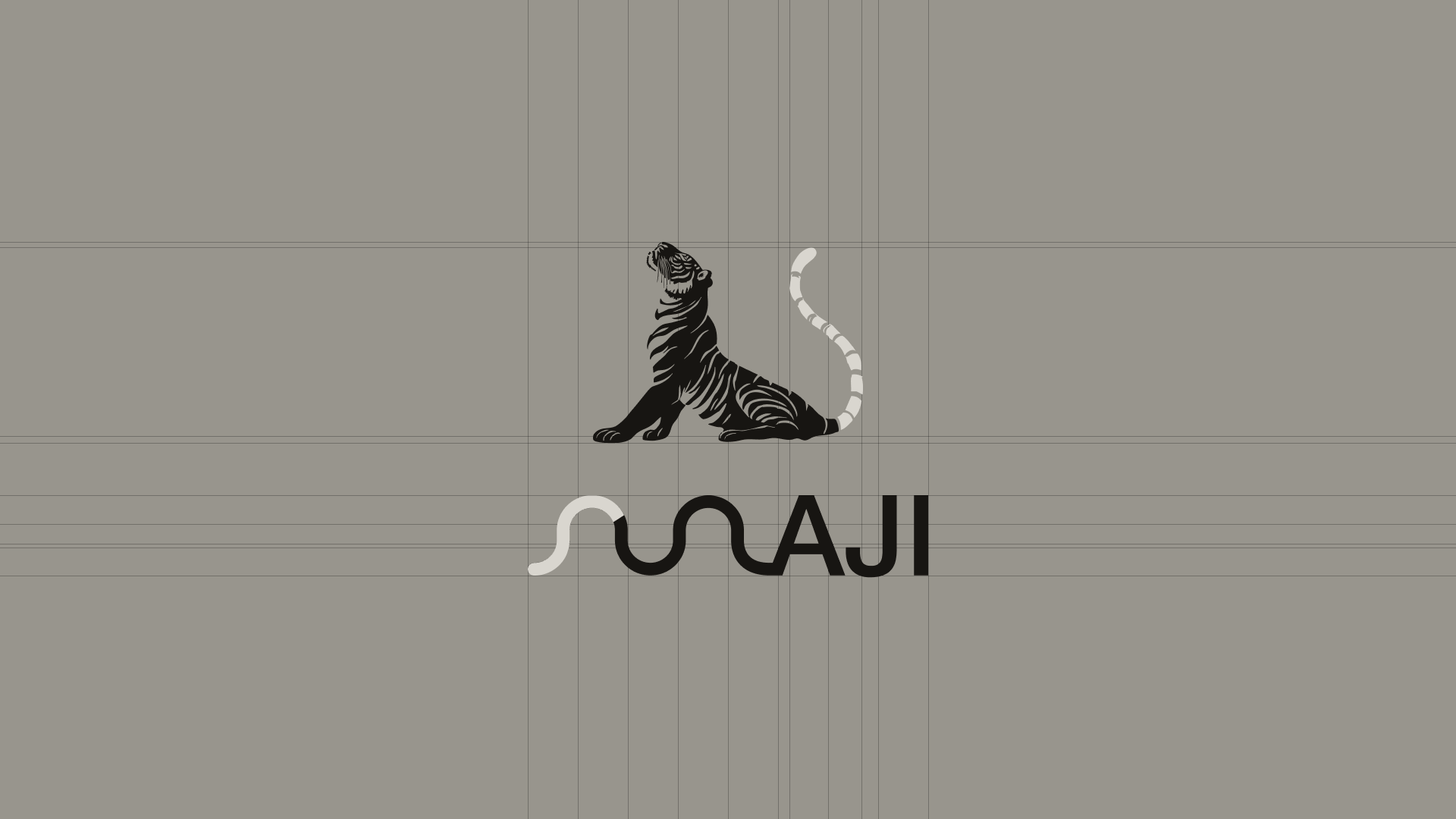
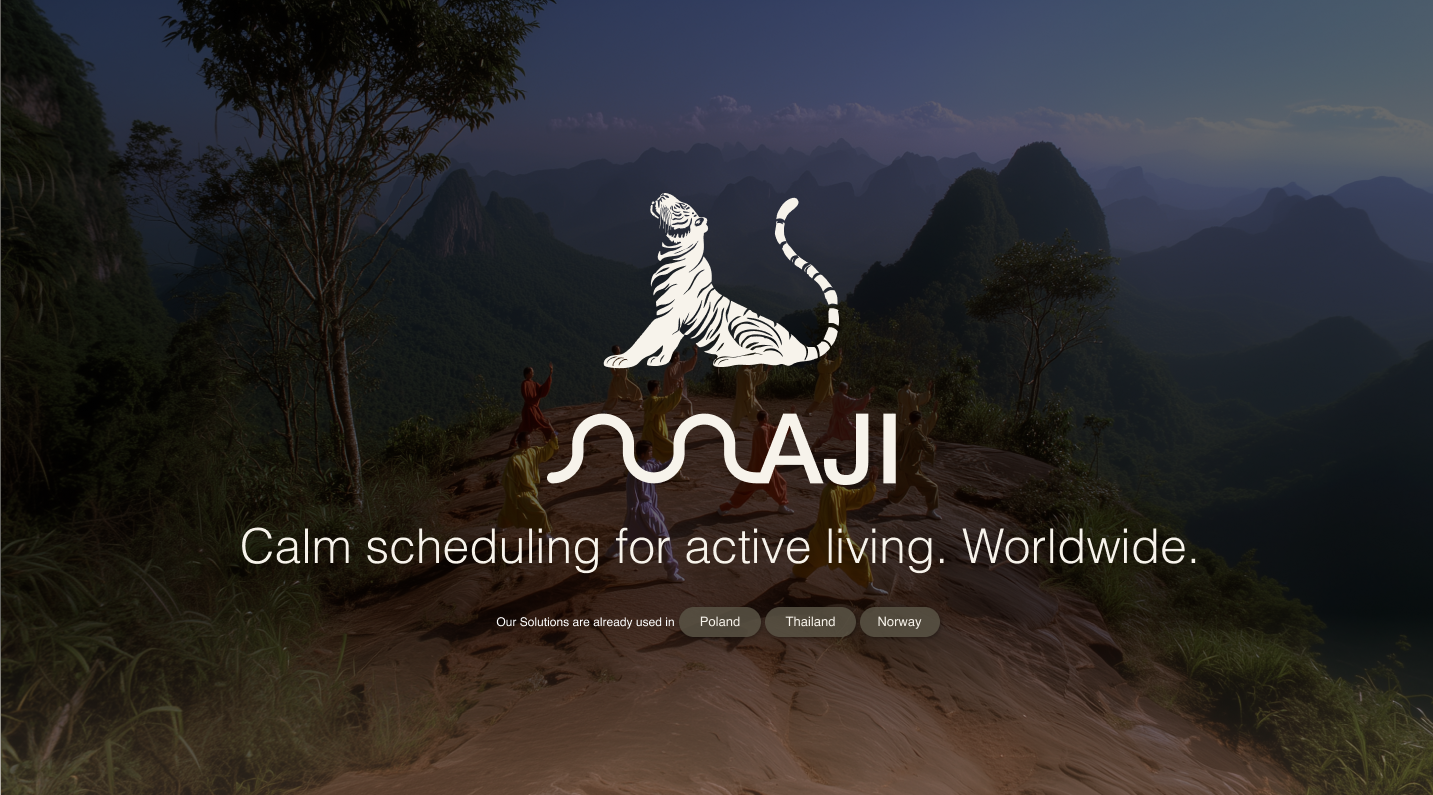
Logotype: The MAJI logotype is built around a sense of flow- the “M” resembles a wave, symbolizing continuous movement without friction. It’s a visual metaphor for the product itself: booking, adjusting, returning- effortlessly.
Emblem: A tiger in a cobra posture: strength without aggression, controlled energy, a body that is ready, not tense.
It stands in opposition to “no pain, no gain” culture. MAJI communicates power through calm.
It stands in opposition to “no pain, no gain” culture. MAJI communicates power through calm.
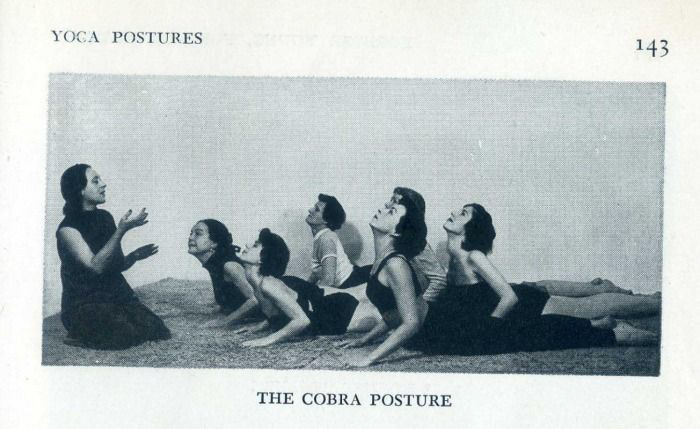
Word MAJI has several distinct meanings globally, with the most common being the Swahili word for water and a popular Japanese slang term for seriousness or reality
1. Swahili (East Africa): "Water" Meaning: In Kiswahili, maji refers to water.
Usage: It is widely used in Kenya, Tanzania, and surrounding regions. It can refer to water in a bottle, tap water, or water in a river.
Cultural Context: The term was famously used during the "Maji Maji Rebellion" in the early 20th century in German East Africa.
2. Japanese (Slang): "Really?" / "Seriously?"
Meaning: Derived from majime (真面目), meaning serious or honest, maji (マジ) is modern slang for "really," "seriously," or "for real".
Usage: Used by younger generations to express shock, disbelief, or to confirm sincerity.
Maji? (マジ?): Really?
Maji de? (マジで?): Seriously? / For real?
Maji yabai (マジやばい): That's crazy! / That's amazing!
Maji-Manji (マジ卍): A more intense slang phrase meaning "seriously insane" or "awesome".
Maji? (マジ?): Really?
Maji de? (マジで?): Seriously? / For real?
Maji yabai (マジやばい): That's crazy! / That's amazing!
Maji-Manji (マジ卍): A more intense slang phrase meaning "seriously insane" or "awesome".
3. Bengali & India: Surname and "Boatman"
Meaning: Maji (also spelled Majhi) is a common Bengali Hindu and Jain surname.
Context: In several Indian languages, it refers to a community of boatmen, fishermen, or a guide, indicating a connection to water.
4. Chinese (Taiwanese Slang): "Best Pal"
Meaning: In Taiwan, májí (麻吉) is used to mean "close friend," "best buddy," or "to be tight/congenial," often used in the context of "best friend".
5. Other Meanings
Ethiopia: A woreda (district) in South West Ethiopia, sometimes called Maji.
Baby Name: In some cultures, Maji is used as a name meaning "noble glory" (Arabic origin) or "truth".
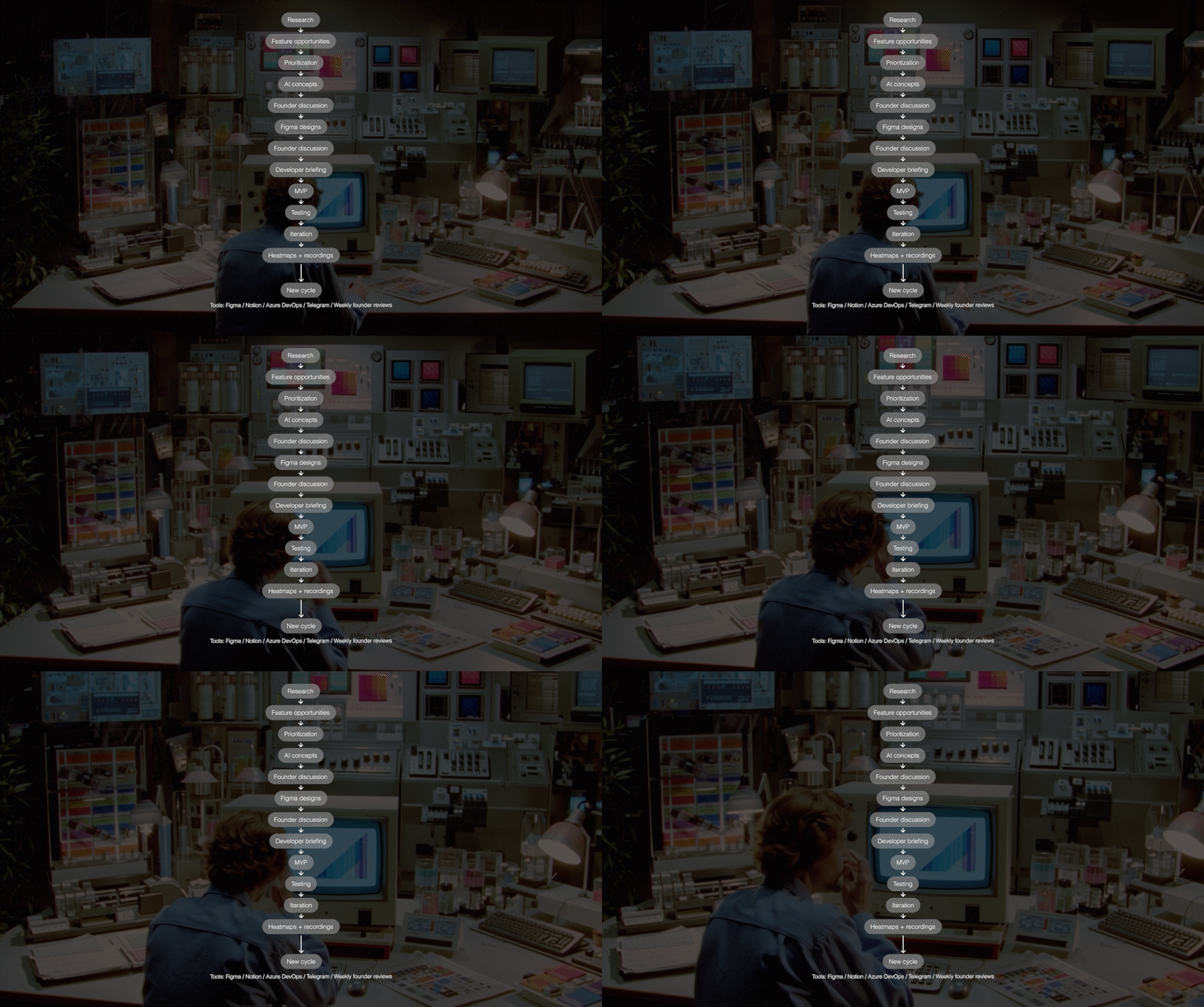
UCD Proccess
Rather than treating UX as a linear process, we built a continuous learning loop combining founder intuition, user research and rapid validation.
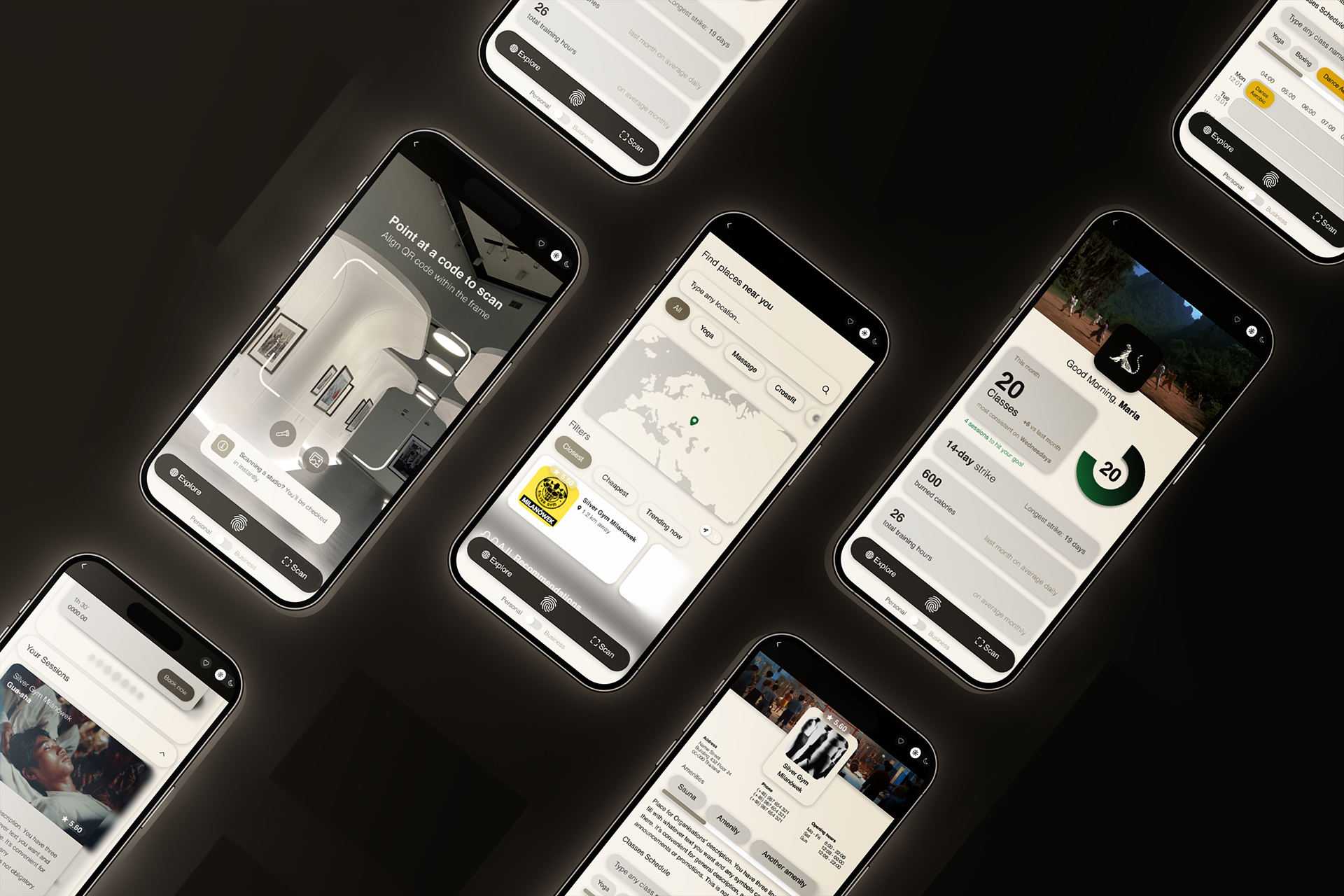
Product Architecture
Dual system
B2B:
Schedule management
Payments
Attendance tracking (QR)
Client database
Reports
Payments
Attendance tracking (QR)
Client database
Reports
B2C:
Explore (map + search + filters)
Book sessions/classes
Memberships
Personalized Profile & routines
Book sessions/classes
Memberships
Personalized Profile & routines
UX Strategy
Key decisions:
No cognitive overload
Search-first behavior
Studio profile = conversion hub
Schedule = primary interface
No cognitive overload
Search-first behavior
Studio profile = conversion hub
Schedule = primary interface
Example flows:
Discover → Select → Book (under 3 steps)
Scan → Enter → Track
Discover → Select → Book (under 3 steps)
Scan → Enter → Track
MVP Build
CSS-based web app (multi-device)
Core flows implemented:
Booking
Scheduling
Studio profiles
Early onboarding of real studios
Booking
Scheduling
Studio profiles
Early onboarding of real studios
Go-To-Market Strategy
Phase 1:
Direct onboarding of studios (manual sales)
Free / low-cost access for feedback
Direct onboarding of studios (manual sales)
Free / low-cost access for feedback
Phase 2:
Marketplace activation via users
Organic growth + waiting list
Marketplace activation via users
Organic growth + waiting list
Phase 3:
Paid SaaS scaling
Paid SaaS scaling
Business Model
Subscription (B2B); Transaction fee (B2C bookings)
Future: Affiliate; Premium placements; Partnerships
Future: Affiliate; Premium placements; Partnerships
Early Traction
First paying / semi-paying studios onboarded
Real users coming through partner locations
Product actively used (not concept stage)
Real users coming through partner locations
Product actively used (not concept stage)
Key Challenges
Building 2-sided marketplace from scratch
Limited budget
Balancing SaaS vs marketplace priorities
UX vs speed of development
Limited budget
Balancing SaaS vs marketplace priorities
UX vs speed of development
Role:
Product / Creative / Strategy Lead
Scope of work:
Product vision; UX structure; Branding direction; Go-to-market strategy;
B2B + B2C logic; Communication & positioning
B2B + B2C logic; Communication & positioning
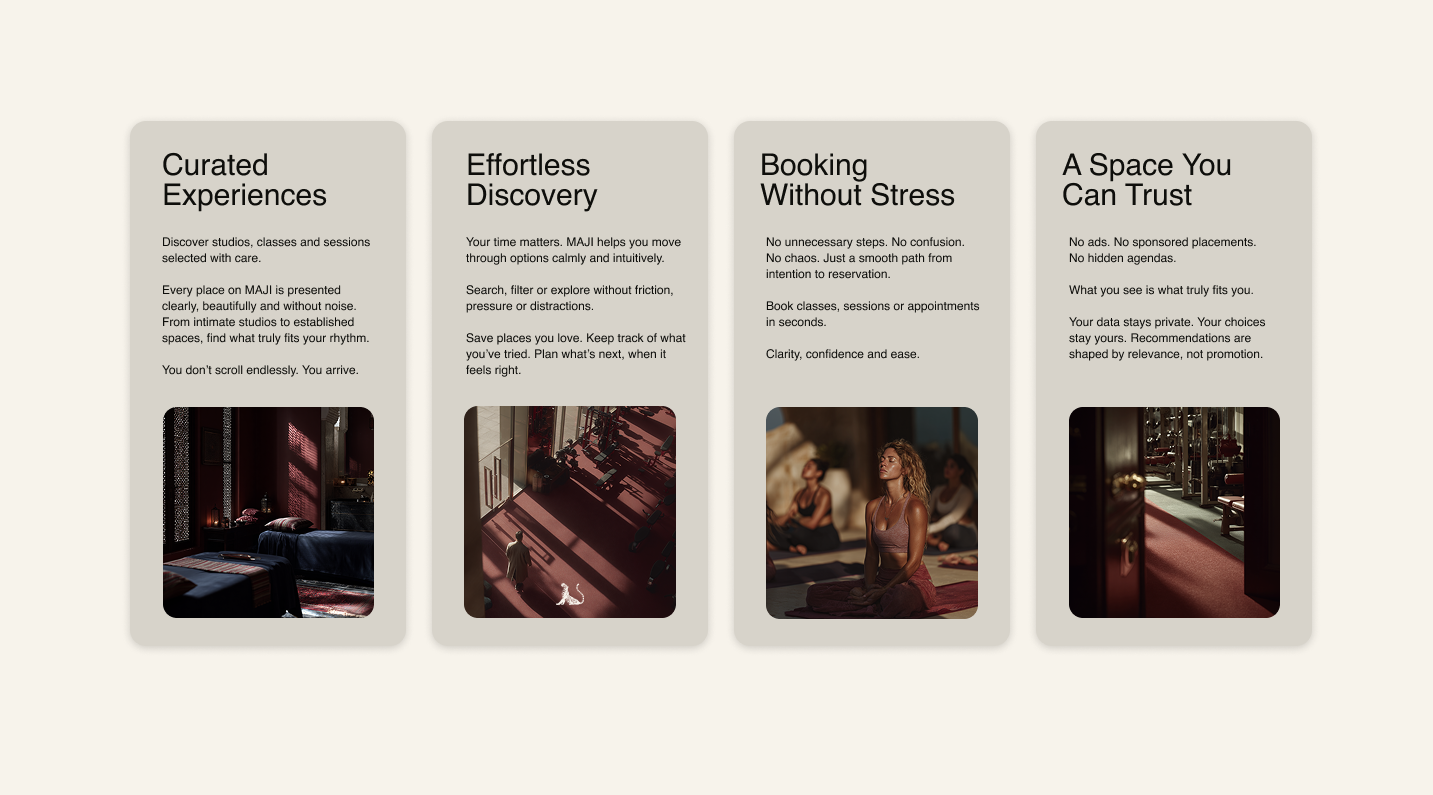
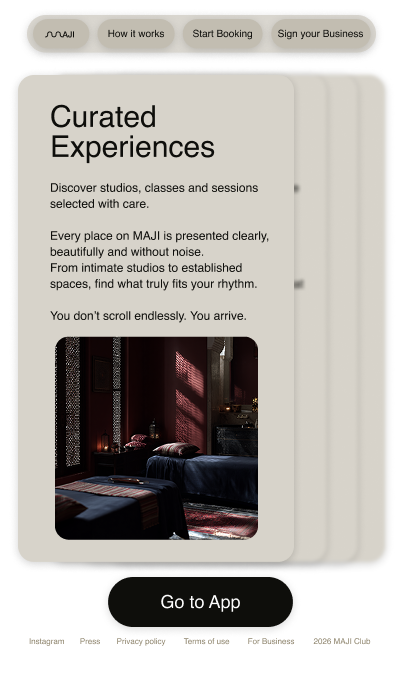
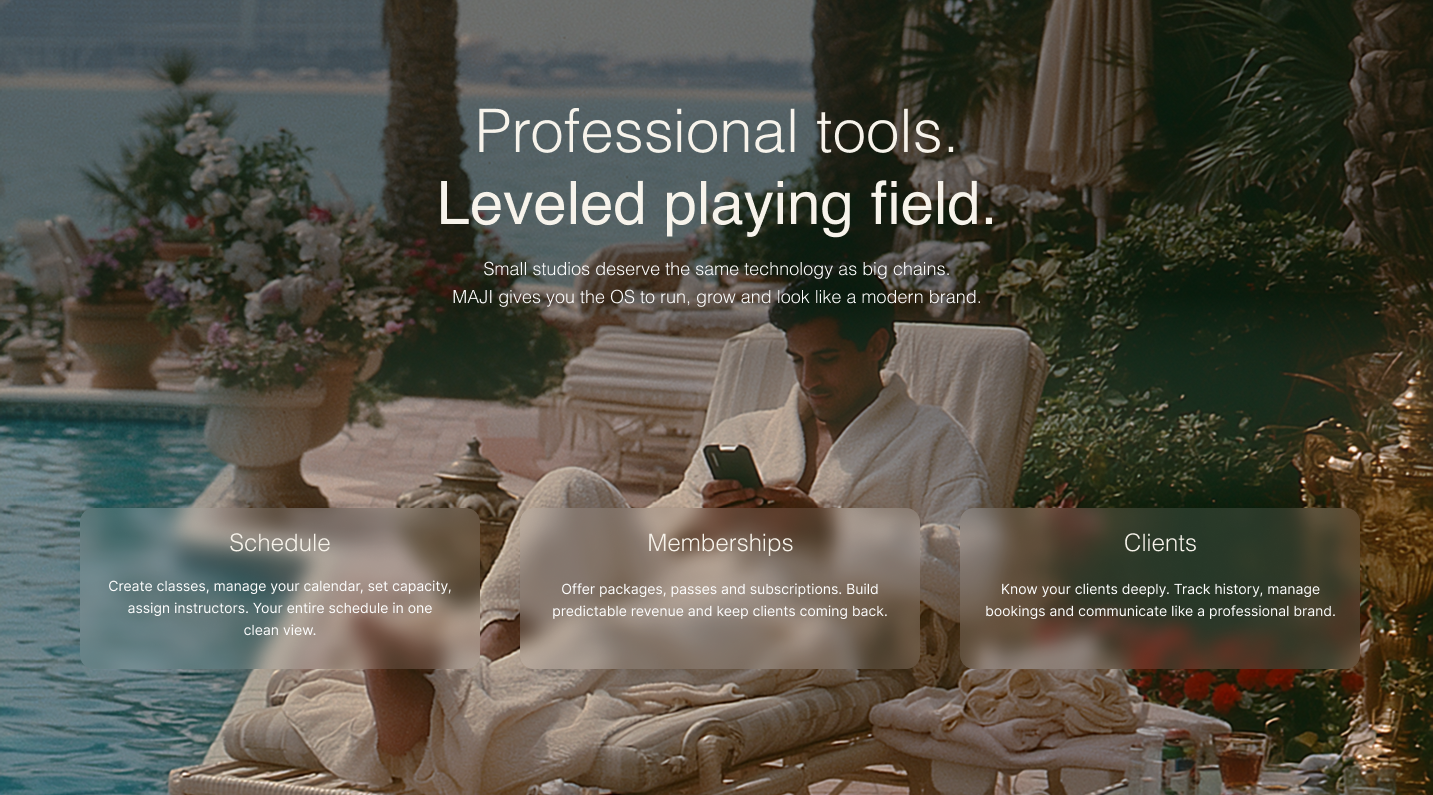
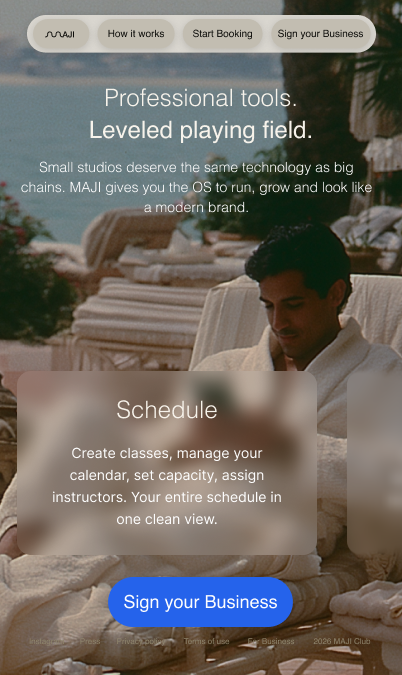
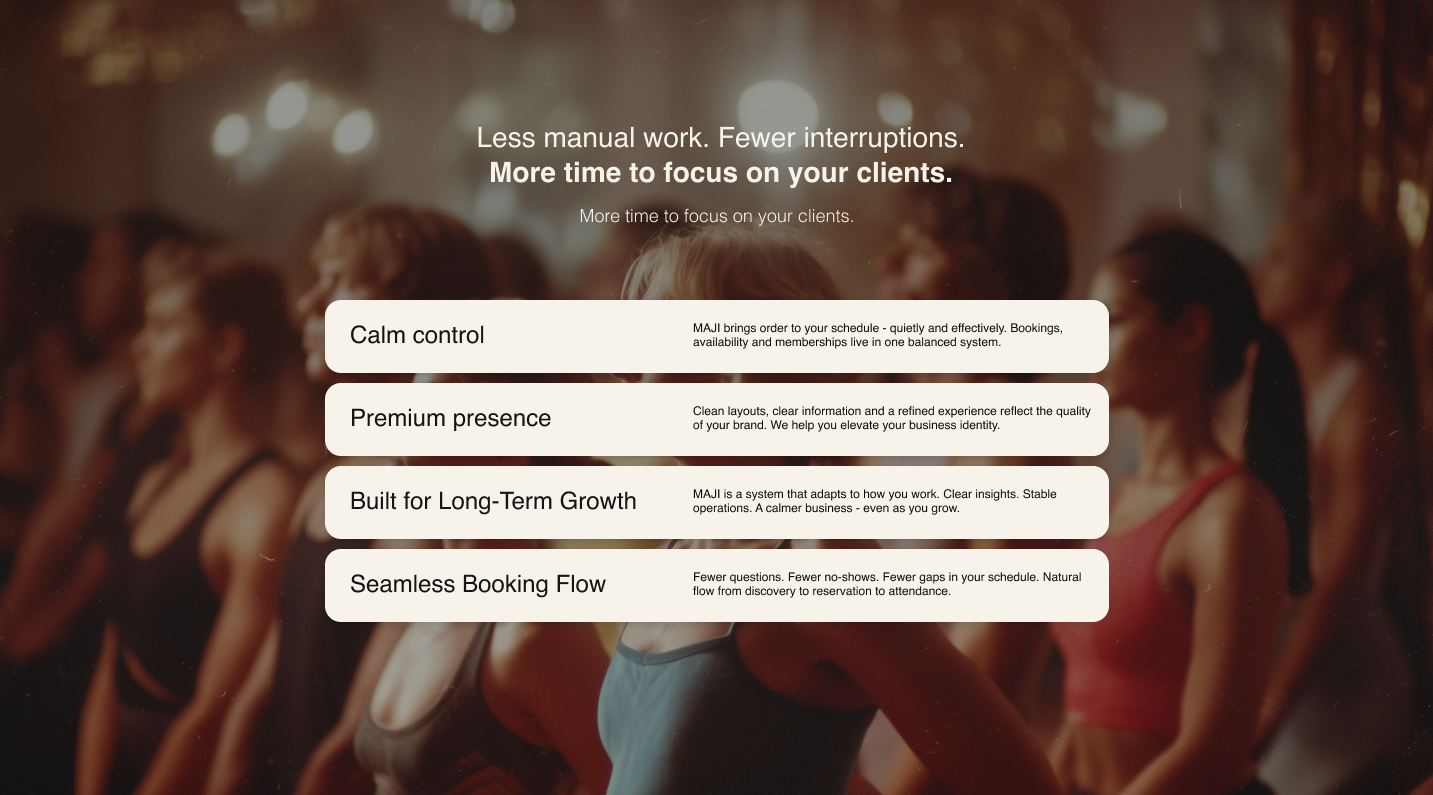
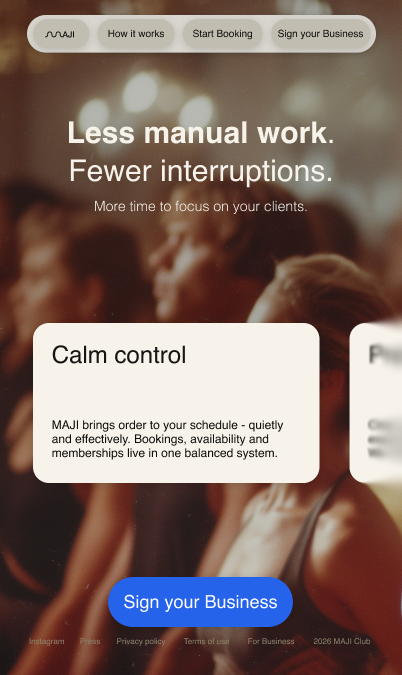
B2C Campaign concept for Poland: Workflow
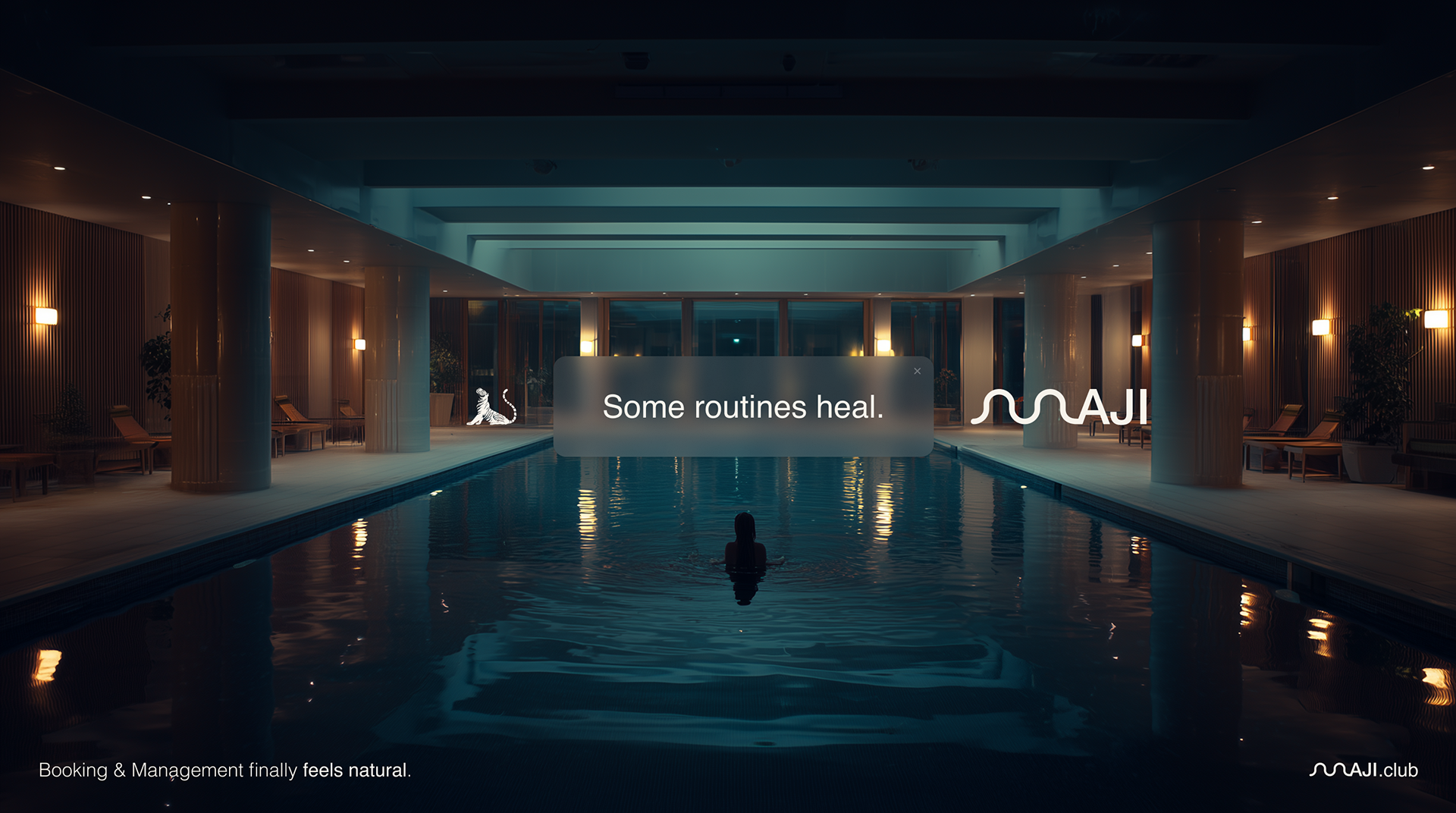
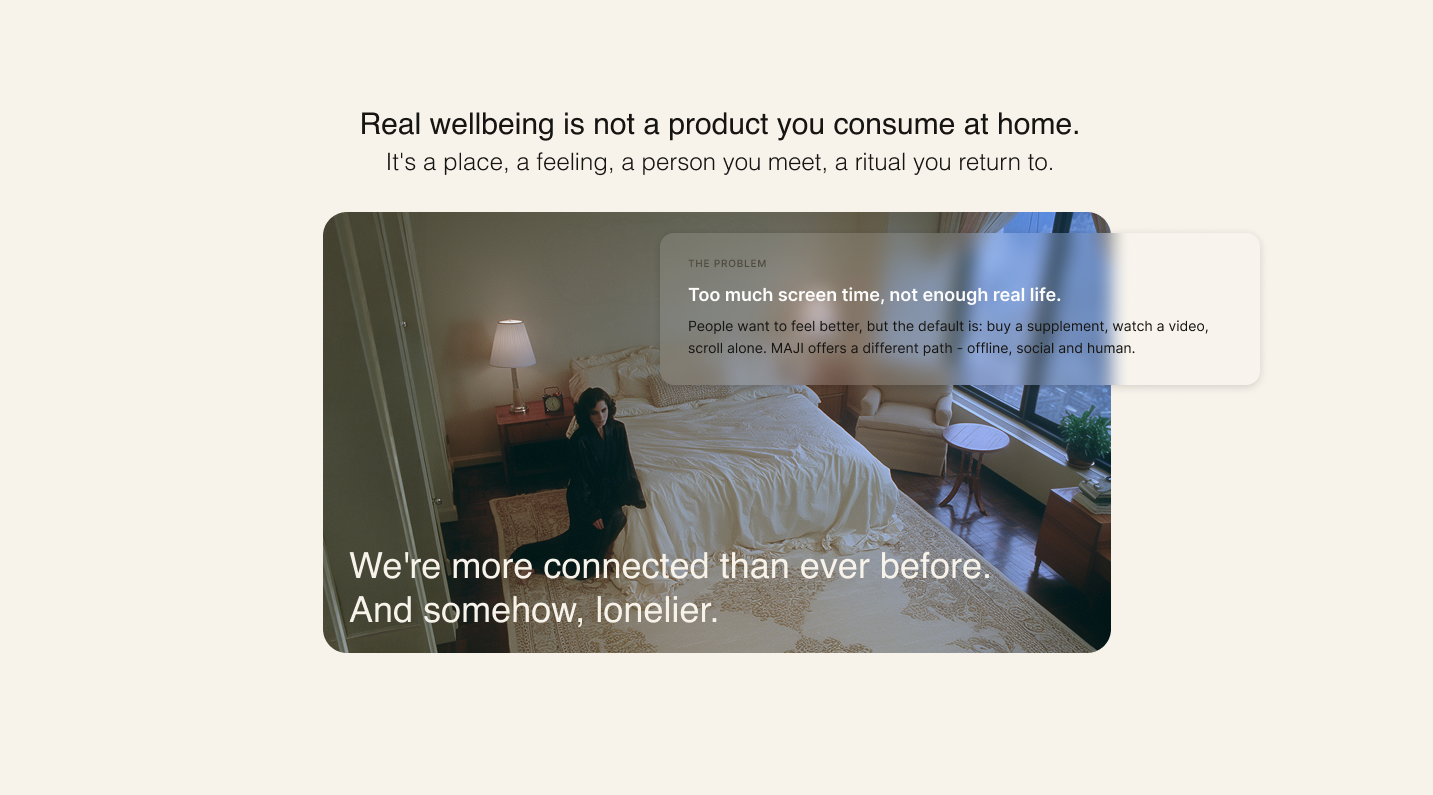
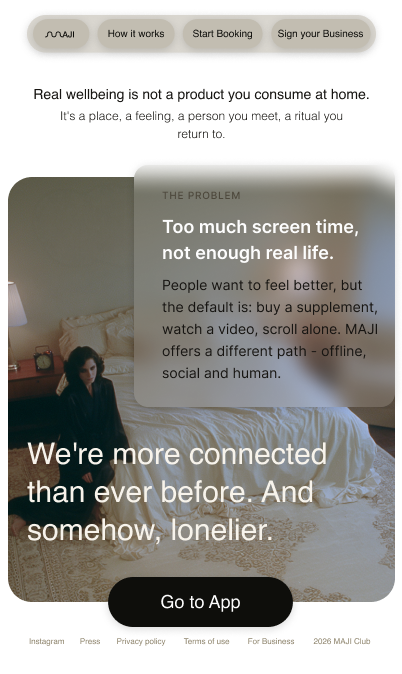
Today, many forms of “self-care” happen through screens. We scroll wellness content instead of experiencing wellness itself. We consume routines, products, aesthetics and advice while becoming increasingly disconnected from physical spaces, movement and real human interaction. Comfort slowly becomes enclosure.
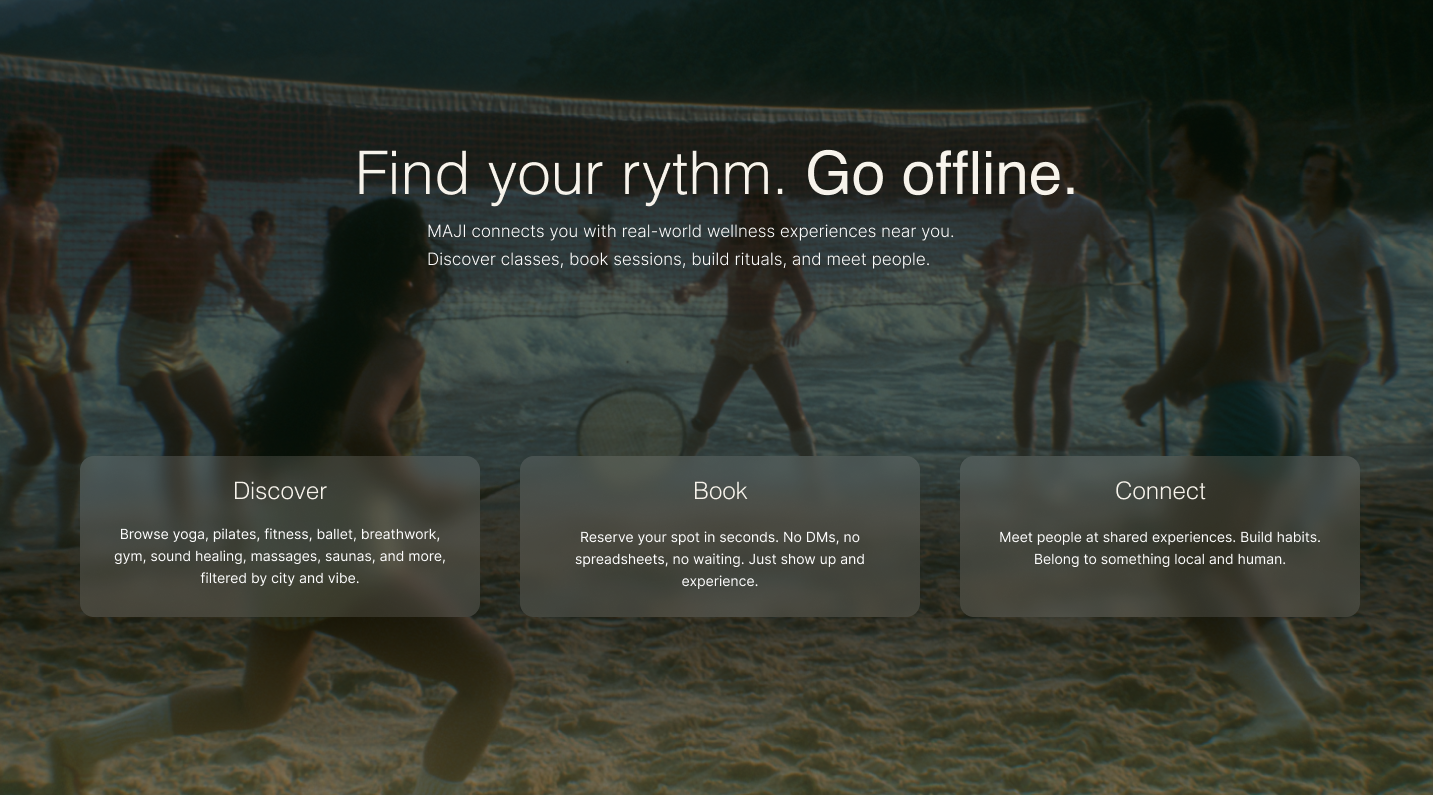
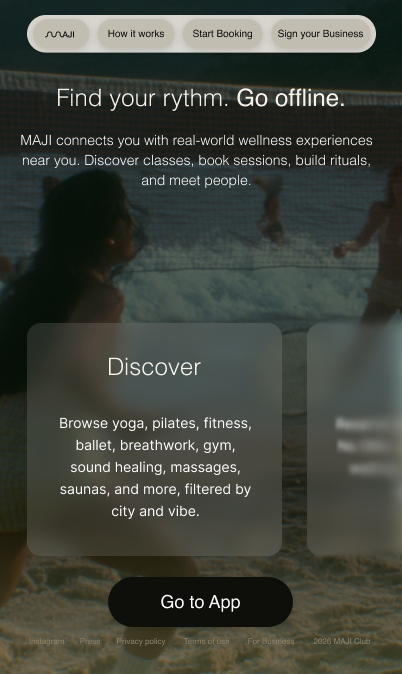
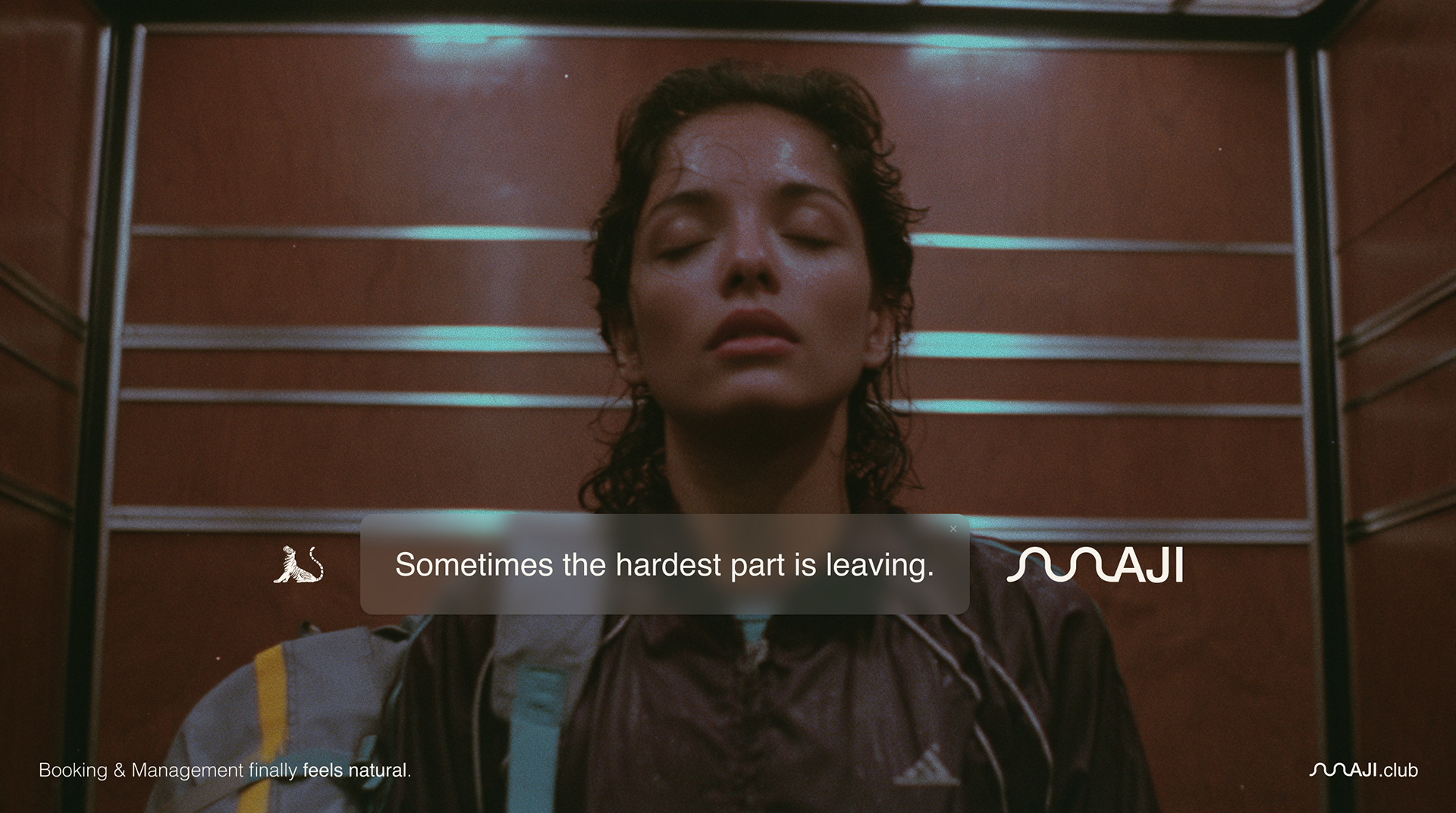
Instead of communicating fitness through performance, discipline or transformation, MAJI approaches wellness as reconnection with the body, with rhythm, with the city, with other people and with reality itself. The campaign focuses on transitional emotional moments, like leaving the apartment after hours online, arriving somewhere quietly, sharing space with strangers, feeling human touch or returning home calmer than before. The visual language is cinematic, restrained and emotionally observant. Inspired by 70s wellness culture, urban loneliness and minimalist human-centered design.
MAJI positions movement as a gentle return to embodied life. Going to a class, massage, gym or wellness space becomes a way of reconnecting with presence, routine, atmosphere and other people. Booking platform becomes infrastructure for re-entering the world.
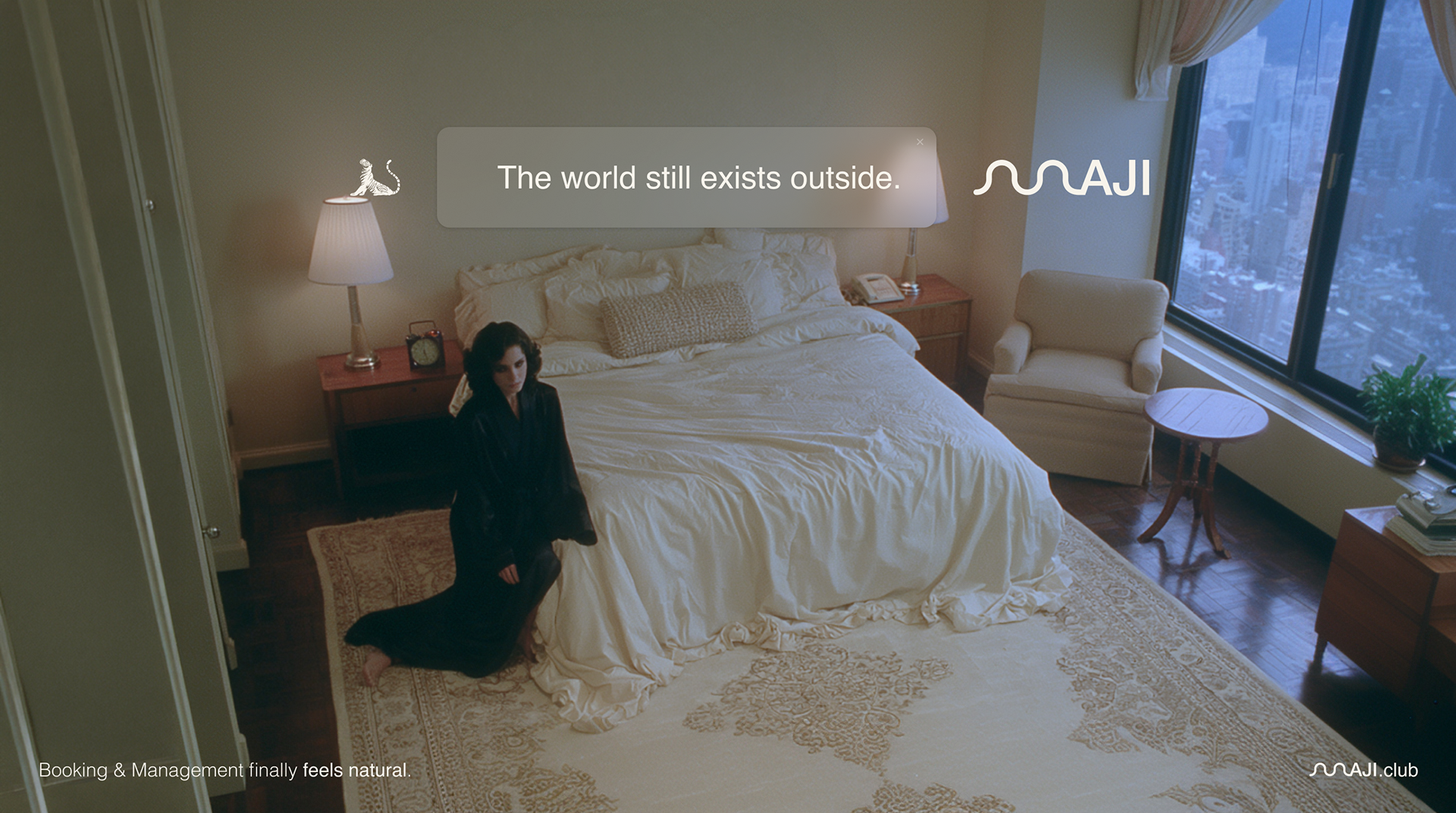
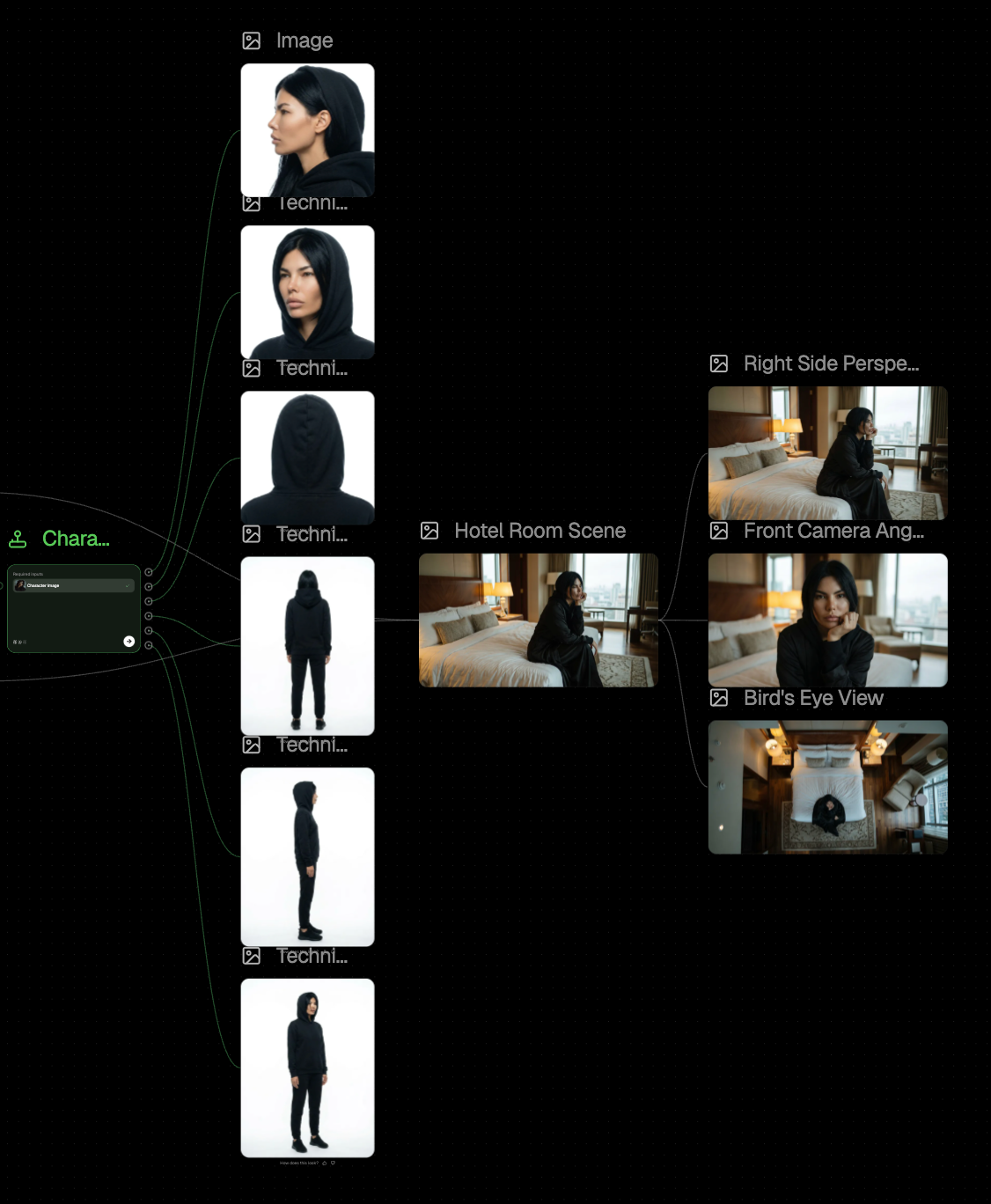
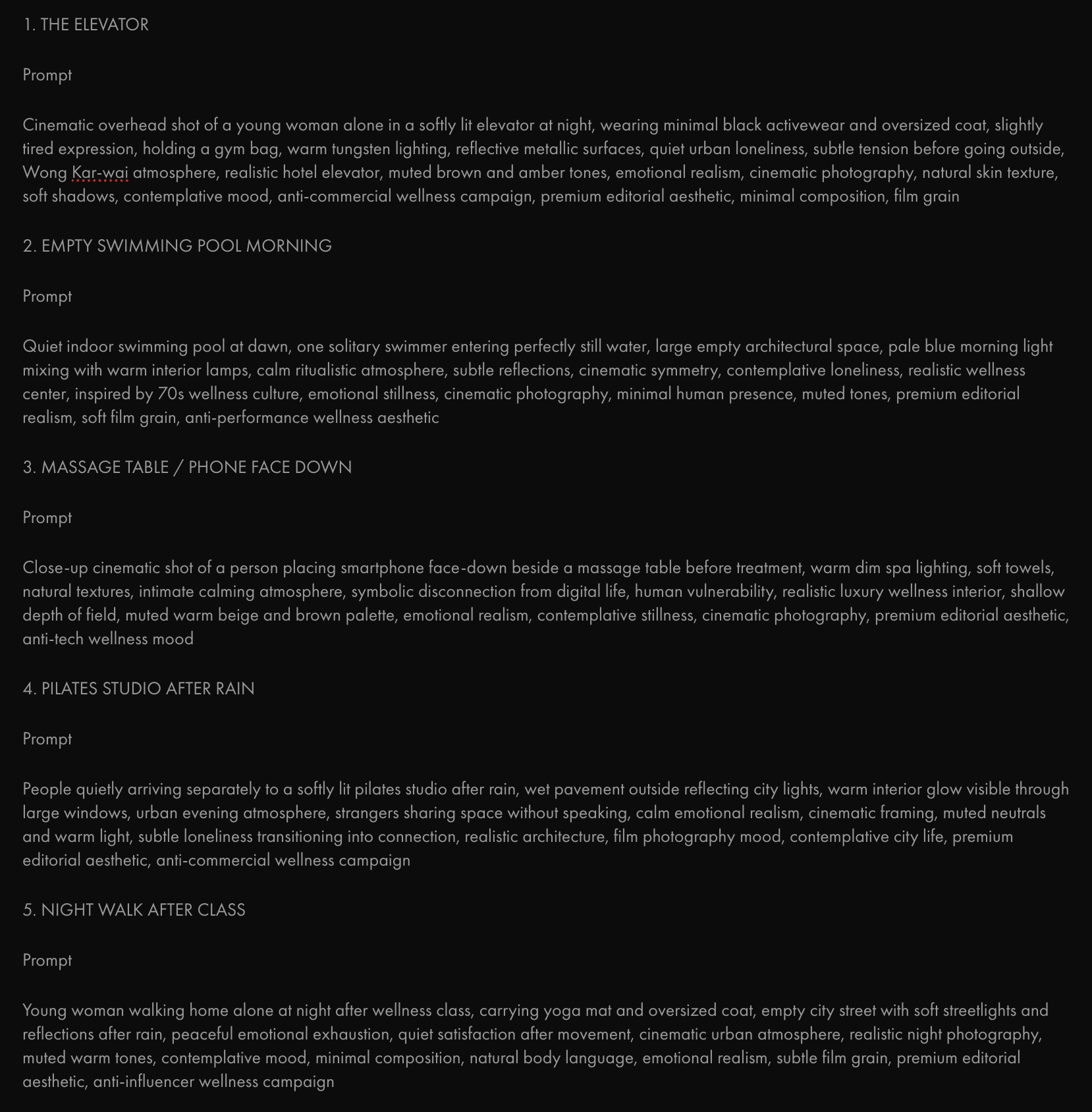
GENERAL VISUAL DNA FOR ALL PROMPTS
Repeated variations of these attributes across almost every image: cinematic photography, emotional realism, analog warmth, quiet loneliness, old luxury hotel / urban wellness atmosphere, subtle 70s wellness philosophy, natural skin texture, imperfect human presence, muted warm neutrals, soft practical lighting, melancholic calm, top-tier fashion editorial realism, stillness, no influencer aesthetics, anti-commercial wellness mood, subtle grain, realistic architecture, slow living atmosphere, contemplative framing
Avoid: hyper fitness bodies, overly happy expressions, “wellness influencer” vibe, bright startup aesthetics, tech optimism visuals
MAJI is not a fitness product.
It’s a system designed to make movement & wellness effortless for both sides of the market.
It’s a system designed to make movement & wellness effortless for both sides of the market.